By Our Correspondent
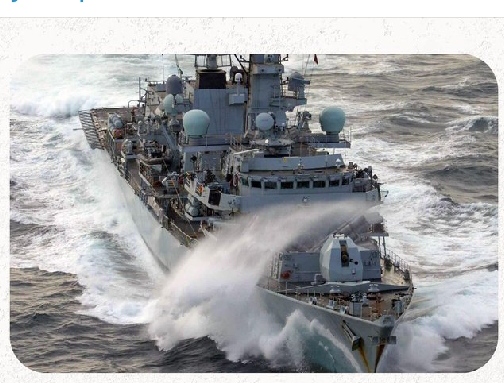
A quiet but serious maritime standoff has unfolded beneath the surface of the North Atlantic, as the United Kingdom deployed warships and surveillance aircraft to monitor suspected Russian submarine movements near critical undersea infrastructure.
Defense officials revealed that the operation, which lasted several weeks, involved tracking multiple Russian vessels—including a nuclear-powered attack submarine and specialized deep-sea ships—operating close to communication cables and energy pipelines. These underwater networks are essential to global internet connectivity and energy distribution, making their security a top priority.
While no direct interference or damage was recorded, the presence of these submarines in sensitive zones has raised concern within defense circles. Experts believe the mission may have been aimed at gathering intelligence or mapping infrastructure, potentially laying groundwork for future strategic actions in times of conflict.
The UK, in coordination with allied forces, maintained a continuous watch over the vessels, ensuring they stayed clear of the most sensitive areas. Officials said the response shows the country’s readiness to protect critical assets and maintain stability in international waters.
The incident adds to a growing pattern of covert maritime activity linked to modern “hybrid warfare,” where nations test boundaries through surveillance and strategic positioning rather than open confrontation. With undersea cables carrying much of the world’s data, their vulnerability has become an increasing concern for global security.
In a clear signal of vigilance, UK authorities said such activities are being closely monitored and warned that any threat to critical infrastructure will be met with action.
