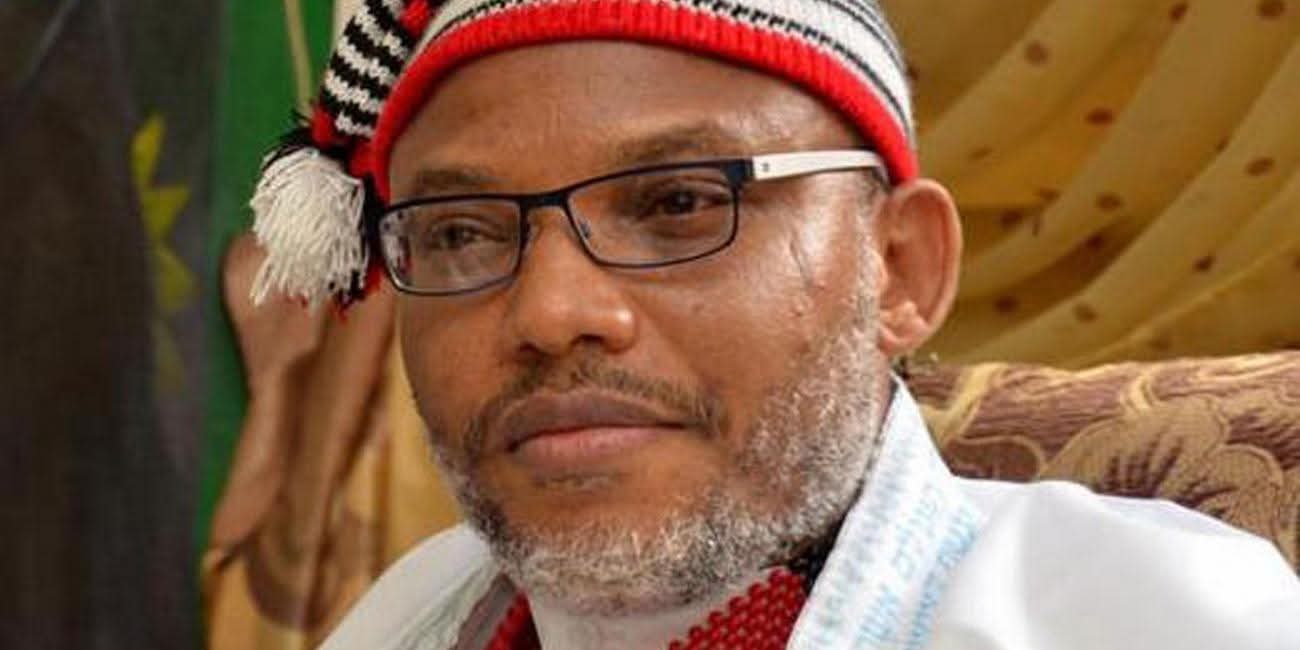
By our reporter
The embattled leader of the Indigenous People of Biafra, Mazi Nnamdi Kanu, has announced that he will personally conduct his defence in his ongoing trial before the Federal High Court, Abuja. His decision follows the withdrawal of his lead counsel, Kanu Agabi SAN, and other members of his legal team.
In a dramatic twist on Wednesday, Kanu informed the court of his readiness to defend himself against terrorism-related charges brought by the Federal Government. The separatist leader, who has been in detention since 2021, stated that he no longer wishes to rely on external lawyers and will instead take full control of his legal representation.
Kanu’s decision reportedly came after weeks of tension and disagreements within his legal camp. Sources close to him said he had grown increasingly dissatisfied with the pace and direction of his defence, prompting him to dissolve his team and take charge of the proceedings.
A formal notice submitted to the court indicated that Kanu intends to call several high-profile witnesses in his defence. He also expressed his desire to testify personally, asserting that doing so would allow the truth to speak for itself.
The development marks a major turning point in the long-running case, which has faced multiple adjournments, legal challenges, and judicial controversies. Earlier this year, Justice Binta Nyako, who had presided over the case since 2021, recused herself following a series of objections from the defence, forcing the reassignment of the trial to a new judge.
Kanu, who faces charges bordering on terrorism and treasonable felony, has consistently maintained his innocence, arguing that his prosecution is politically motivated. His family and supporters describe the decision to represent himself as a demonstration of courage and confidence in his cause, while critics warn that the move could complicate an already complex legal battle.
Legal analysts note that while Nigerian law allows defendants to conduct their own defence, doing so in a case of such magnitude carries significant risks. Self-representation in a terrorism trial is an enormous challenge, said one Abuja-based legal scholar. It demands not just legal knowledge but a deep understanding of procedural law and courtroom dynamics.
The court is expected to reconvene soon to determine how Kanu’s new approach will affect the trial schedule and whether his decision complies with procedural safeguards.
For now, all eyes remain on the Federal High Court as one of Nigeria’s most watched trials enters yet another unpredictable phase with Nnamdi Kanu now standing alone to fight for his freedom.
