By Ahmed Shehu
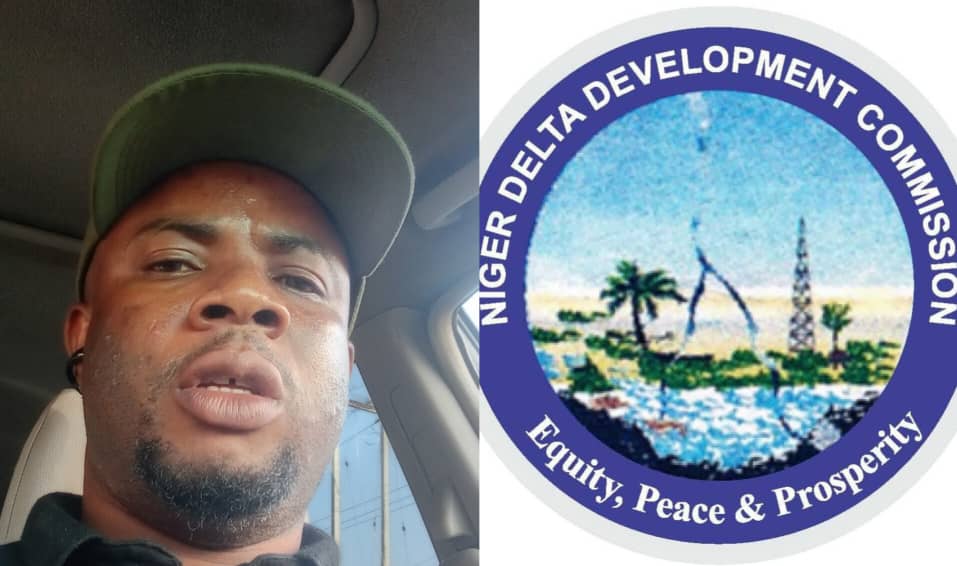
Following growing discontent in the oil-producing communities of Imo State, particularly in Ohaji/Egbema Local Government Area, prominent youth leader and socio-political advocate, Prince Maduba Chukwudi Francis (popularly known as OluImo), has called for a comprehensive review of the Niger Delta Development Commission (NDDC) fiscal budgets from 2006 to 2025.
OluImo’s outburst comes amid ongoing protests by residents of Ohaji/Egbema, who accuse the NDDC and successive administrations of gross neglect, underdevelopment, and mismanagement of funds meant for oil-bearing communities in Imo State.
“It is time we revisit the fiscal budgets of the NDDC from 2006 to 2025,” OluImo declared. “We need to know whether the projects allocated to our local government areas were actually executed, or if they only exist on paper.”
According to him, despite decades of oil exploration and contributions to the national economy, the communities of Ohaji, Egbema, and Oguta continue to wallow in poverty, infrastructural decay, and youth unemployment — conditions he described as “a betrayal of the social contract between the federal government and the Niger Delta people.”
The Niger Delta Development Commission (NDDC) was established to facilitate rapid, even, and sustainable development of the oil-rich Niger Delta region. However, residents and activists in Imo’s oil-producing zones have repeatedly questioned the transparency and accountability surrounding NDDC projects.
OluImo lamented that in nearly two years of the Tinubu administration, Imo State’s oil communities have little or nothing to show for the billions budgeted for the region.
“In two years of this administration, what can we point to as the dividend of NDDC intervention? Solar street lights — and not even durable ones. Our people deserve more than inferior solar panels,” he said.
He further alleged that while other states in the Niger Delta enjoy visible infrastructure such as roads, schools, skill acquisition centers, and hospitals, Imo’s oil belt has been left behind.
The protest in Ohaji/Egbema, which began earlier this month, has drawn attention to years of unfulfilled promises and abandoned projects. Youths and community leaders are demanding audits of NDDC allocations and public disclosure of all projects approved for Imo State within the last decade.
Community representatives argue that if NDDC funds were properly utilized, the region would not be suffering from poor roads, dilapidated schools, and lack of potable water, despite hosting major oil facilities and contributing significantly to Nigeria’s revenue base.
OluImo’s position reflects a broader demand for fiscal accountability and community participation in the development planning of oil-producing areas. He called on the National Assembly, anti-corruption agencies, and the Ministry of Niger Delta Affairs to conduct an independent review of NDDC’s budgets and project implementation in Imo State.
“Every project listed for Ohaji, Egbema, and Oguta should be verified. Let’s see the sites, inspect the work, and confirm who got the contracts. The era of ghost projects must end,” he emphasized.
He urged Imo indigenes, especially the youth, to remain peaceful but persistent in demanding justice and fairness in the distribution of development projects.
As protests continue and scrutiny mounts on the NDDC, the situation in Imo’s oil communities underscores a recurring question — why has development not matched the wealth extracted from the Niger Delta?
Until the federal government and the NDDC prioritize transparency, equity, and genuine engagement with host communities, voices like OluImo’s will continue to echo across the creeks and farmlands of the Niger Delta — a region still waiting for the dividends of its oil .
