By Our Correspondent
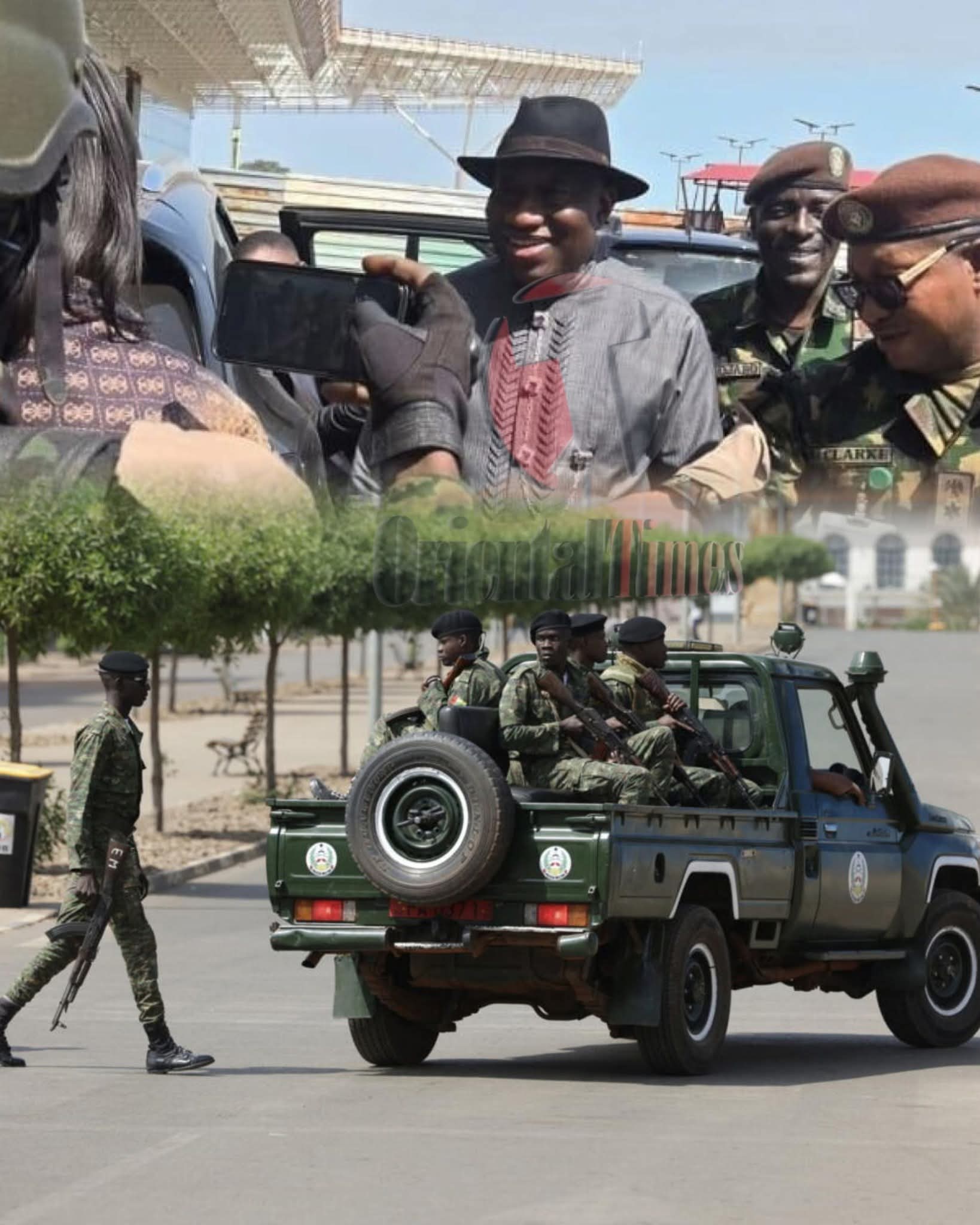
Political turmoil has erupted in Guinea-Bissau following a disputed presidential election, leaving former Nigerian President Goodluck Jonathan and other international observers stranded as the military seizes control of the country.
On Wednesday, senior army officers announced that they had taken total control of the West African nation, just as the country was preparing to release official results of the November 23 presidential election. The military, calling itself the High Military Command for the Restoration of National Security and Public Order, immediately suspended the electoral process, imposed a nationwide curfew, grounded all flights, and closed the countries borders. Reports of gunfire in the capital, Bissau, further heightened tensions and fears of widespread instability.
Jonathan, who is in Guinea-Bissau as part of a 36-member observer mission representing the African Union, ECOWAS, and the West African Elders Forum, is among those trapped in the country. Sources say he and other observers were monitoring the electoral process when the coup occurred, prompting urgent calls for their safety.
In Nigeria, lawmakers have expressed deep concern over Jonathan’s predicament. The House of Representatives has formally urged the federal government to deploy diplomatic and multilateral channels to secure the safe evacuation of Jonathan and other stranded officials. Efforts are reportedly underway to coordinate with regional partners to ensure the former presidents protection.
The coup has drawn widespread condemnation from the international community. Observer missions led by Jonathan denounced the takeover as a blatant subversion of democracy and demanded the immediate release of detained electoral officials to allow the vote-counting process to resume. Regional and global organizations, including ECOWAS and the African Union, have emphasized the need to restore constitutional order and prevent the escalation of violence.
Guinea-Bissau has a long history of political instability, with repeated military interventions undermining democratic processes. The latest coup comes at a critical moment, days after both leading candidates declared victory, leaving the country in a precarious political limbo.
As the crisis unfolds, the eyes of West Africa and the broader international community are focused on Guinea-Bissau. The coming days will be pivotal, not only for Jonathans safe return but also for the countries democratic future.
