By Our Correspondent
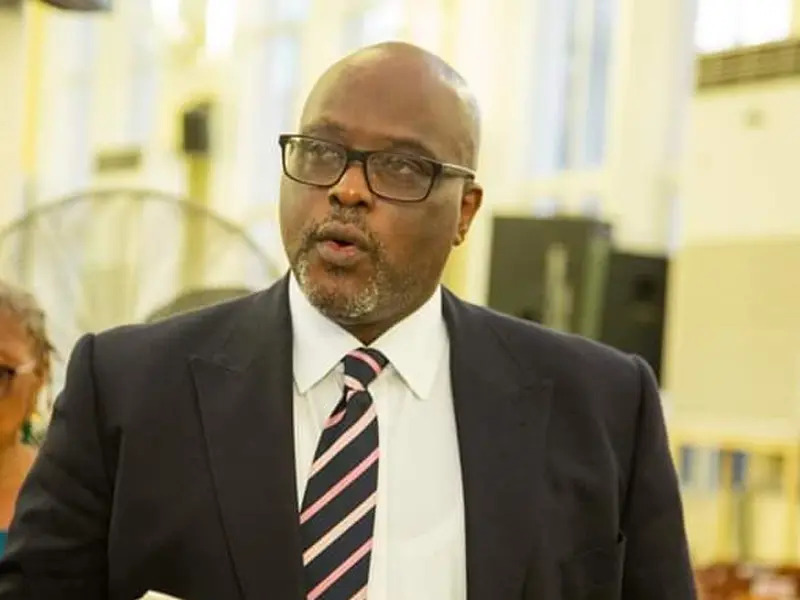
Former spokesperson of the New Nigeria Peoples Party (NNPP), Ladipo Johnson, has criticized President Bola Ahmed Tinubu’s recent remarks on taxation, insisting that the government’s immediate priority should be tackling hunger and the rising cost of living rather than emphasizing tax payments.
Johnson’s reaction followed comments by President Tinubu, who argued that meaningful national development cannot be achieved without citizens fulfilling their tax obligations. The President maintained that government requires tax revenue to provide essential infrastructure, improve healthcare, strengthen education, and deliver other public services.
Responding to the President’s position, Johnson said the comparison between citizens and churches was misplaced, stressing that churches do not collect taxes from worshippers in the same way governments generate public revenue.
“Churches don’t collect taxes,” Johnson said, arguing that many Nigerians are currently battling severe economic hardship and should not be burdened with discussions centered on taxation while millions struggle to afford basic necessities.
According to him, the country’s worsening economic situation has left countless families grappling with soaring food prices, high transportation costs, and declining purchasing power. He noted that these realities have made survival increasingly difficult for ordinary citizens.
Johnson further urged the Federal Government to focus on policies that would reduce inflation, create employment opportunities, stabilize the value of the naira, and improve food security. He argued that restoring public confidence requires visible improvements in the living conditions of Nigerians.
The comments have sparked widespread debate among political analysts, economists, and citizens, with many expressing differing opinions on the relationship between taxation and economic development. While some support the government’s position that tax compliance is necessary to fund public services, others insist that citizens deserve to see greater accountability and tangible improvements before additional tax burdens are introduced.
Economic experts have also pointed out that expanding the country’s tax base should go hand in hand with improved transparency, prudent management of public funds, and efficient service delivery to ensure taxpayers receive value for their contributions.
The exchange highlights the growing national conversation over governance, fiscal policy, and the impact of ongoing economic reforms on ordinary Nigerians. As inflation and the cost of living remain key concerns across the country, calls for practical measures to ease hardship continue to dominate public discourse.
With millions of Nigerians closely watching the government’s next steps, the debate over taxation, economic reforms, and citizens’ welfare is expected to remain a major issue in the nation’s political and economic landscape.
