By Our Correspondent
The 2027 presidential race has taken a fresh turn as former Anambra State governor and presidential candidate Peter Obi says he would consider restoring petrol subsidy if elected, but only after his administration succeeds in tackling corruption and eliminating waste in government.
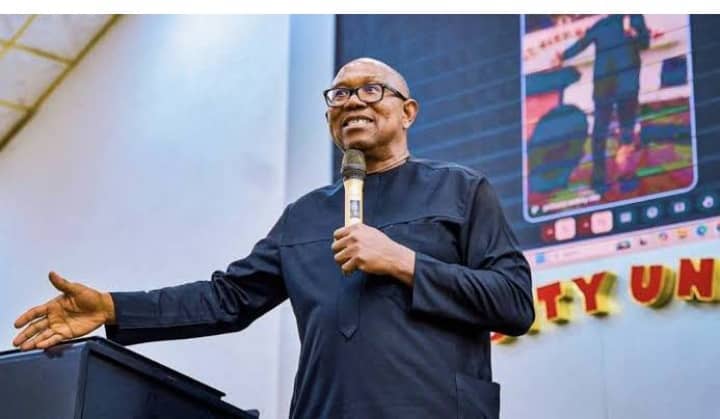
Obi made the statement while addressing supporters and Nigerians at a recent political engagement, signalling a significant shift from his earlier position on the controversial petrol subsidy policy.
According to Obi, the issue is not simply whether petrol subsidy should exist or be removed, but whether the country can properly manage its resources and prevent corruption from consuming funds meant to benefit citizens.
He argued that an effective government must first address corruption, leakages and unnecessary government expenditure before deciding how best to cushion the economic burden on Nigerians.
Obi maintained that Nigeria has enough resources to provide better living conditions for its citizens if public funds are managed responsibly.
He said fighting corruption would be a major priority of his administration, stressing that government resources should be directed towards areas that directly improve the lives of ordinary Nigerians.
The former governor also linked his position to the rising cost of living, noting that the removal of petrol subsidy has placed significant pressure on households and businesses through higher transportation and operating costs.
The latest declaration represents a notable change from Obi’s earlier comments on subsidy removal.
Previously, Obi had argued that the removal of petrol subsidy should not be reversed simply because the government failed to properly manage the savings generated from the policy.
His latest position, however, suggests that he is now open to restoring the subsidy under a different framework — one that would first require stronger control of public finances and a serious crackdown on corruption.
Obi’s argument centres on the need to reduce the economic pressure facing Nigerians while ensuring that government spending remains transparent and accountable.
He has repeatedly called for greater investment in education, healthcare, security, infrastructure and productive sectors of the economy.
According to him, Nigeria’s enormous human and natural resources can be transformed into economic opportunities if the country moves away from wasteful spending and strengthens accountability in government.
The declaration is likely to reignite the national debate over the future of petrol subsidy ahead of the 2027 presidential election.
Supporters of subsidy restoration argue that it could help reduce petrol prices and ease the pressure of transportation and living costs on citizens. Critics, however, have historically raised concerns about the financial burden subsidies can place on government and the potential for corruption and inefficiency within the system.
Obi’s proposal appears to seek a different approach by making the fight against corruption and waste a condition for any future subsidy programme.
With the 2027 election approaching, Obi’s latest statement is expected to attract considerable attention from voters, economists, businesses and political observers.
The key question now will be how a future administration would design, finance and monitor any subsidy programme to ensure that the benefits reach Nigerians rather than being lost through corruption or inefficiency.
As the political season gathers momentum, the petrol subsidy debate is once again set to become one of the major economic issues shaping Nigeria’s 2027 presidential contest.
