By Our Correspondent
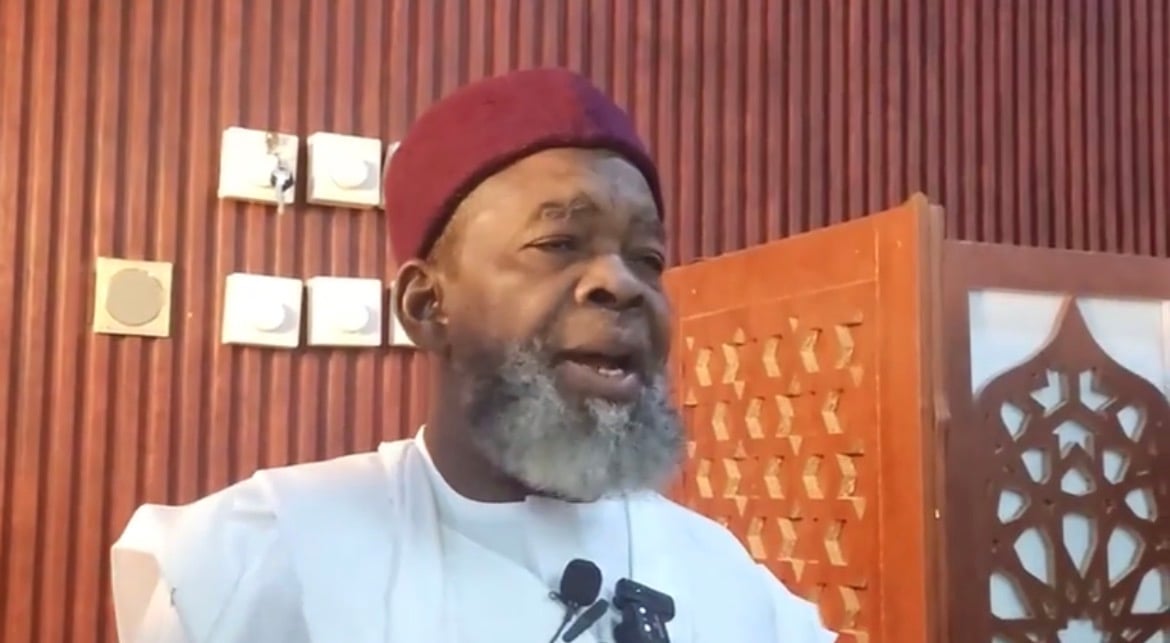
A Sokoto-based Islamic scholar, Musa Lukuwa, on Thursday led a group of Muslim faithful in observing Eid al-Fitr prayers, despite the absence of an official declaration from the appropriate religious authority in Nigeria.
In a video shared on his Facebook page on Wednesday evening, Lukuwa claimed that the crescent moon signaling the end of Ramadan had been sighted in the Niger Republic. Relying on this report, he urged his followers to proceed with the Eid prayers the following day, emphasizing that the sighting was sufficient to mark the end of the fasting period.
However, his position contradicts the directive of the Sultan of Sokoto, who is widely regarded as the spiritual leader of Muslims in Nigeria and the custodian of Islamic affairs in the country. The Sultan traditionally announces the commencement and conclusion of Ramadan after receiving and verifying credible moon sighting reports from various parts of the country.
The decision by Lukuwa to go ahead with the prayers highlights a recurring issue within the Muslim community concerning the methodology for determining the Islamic lunar calendar. While some scholars insist on local moon sightings within Nigeria as the basis for declaring Eid, others accept verified sightings from neighboring countries, especially those within the same geographical region.
This divergence in interpretation is rooted in differing schools of Islamic jurisprudence. Some scholars argue that once the moon is sighted anywhere within a reasonable proximity, it becomes binding for other Muslim communities to follow. Others maintain that each country or locality should rely strictly on its own confirmed sightings to ensure uniformity and avoid confusion.
Incidents like this, though not widespread, occasionally lead to divided observances of Eid among small groups of worshippers. Religious leaders have often emphasized the importance of unity and adherence to constituted authorities to preserve harmony within the Muslim community.
Despite such disagreements, the majority of Muslims in Nigeria typically align with the official announcement made by the Sultan, ensuring a coordinated and unified celebration of Eid across the country.
