By Our Correspondent
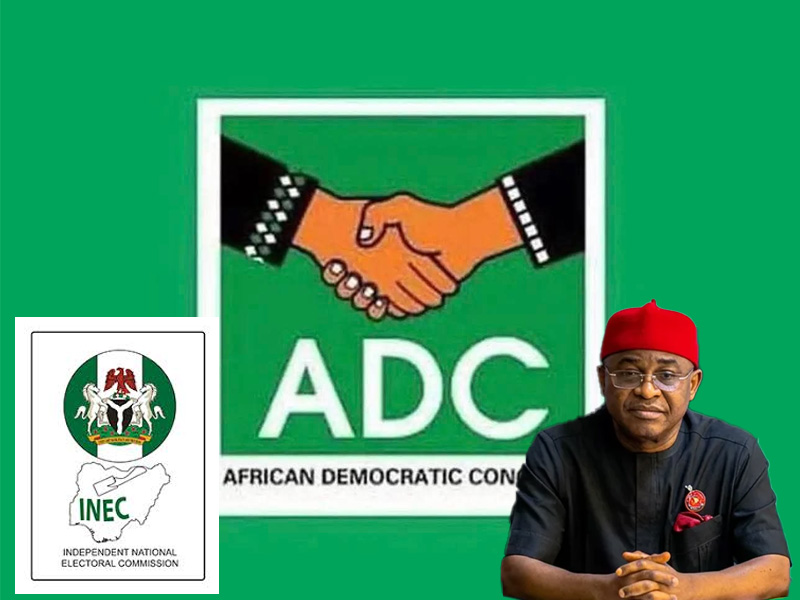
Fresh tension has gripped Nigeria’s political space following the surfacing of a controversial August 2025 memo from the Independent National Electoral Commission (INEC), throwing the leadership of the African Democratic Congress (ADC) into serious doubt. The development has deepened internal divisions within the party and raised concerns about the stability of the broader opposition ahead of the 2027 elections.
At the heart of the crisis is INEC’s assertion that the process which produced the caretaker committee led by David Mark failed to comply with legal requirements. According to the memo, the ADC did not issue the mandatory 21-day notice before convening the meeting where the leadership emerged—an omission that, under Nigeria’s Electoral Act, invalidates the outcome. The commission also pointed to gaps in documentation, including missing records and official endorsements expected from such proceedings.
These findings have led to decisive action. INEC has removed the Mark-led National Working Committee from its records and suspended recognition of all factions within the party, choosing to remain neutral while the courts determine the legitimate leadership. This move effectively leaves the ADC in a state of administrative uncertainty.
The crisis dates back to July 2025, when a disputed transition led to the emergence of a new leadership structure. A rival faction quickly challenged the process, arguing that it violated party rules and due process. With both sides holding firm to their claims, the dispute has now shifted to the judiciary, where rulings have called for all parties to maintain the status quo pending a final decision.
Meanwhile, the Mark-led faction has pushed back against INEC’s position, describing it as interference in internal party affairs. The group has vowed to seek legal redress and insists it remains the rightful leadership of the ADC. Despite the uncertainty, it has also indicated plans to continue with its political activities.
The fallout from the crisis extends beyond the ADC itself. Once seen as a potential rallying platform for opposition forces, the party’s instability is now prompting key political actors to reconsider their options. With the 2027 elections on the horizon, the lack of clarity within the ADC could reshape alliance-building efforts and push opposition figures to explore alternative platforms.
As legal proceedings continue, the stakes remain high. The eventual court ruling will not only decide the fate of the ADC leadership but could also influence the direction of Nigeria’s opposition politics in the years ahead.
