By Douglas Princemola
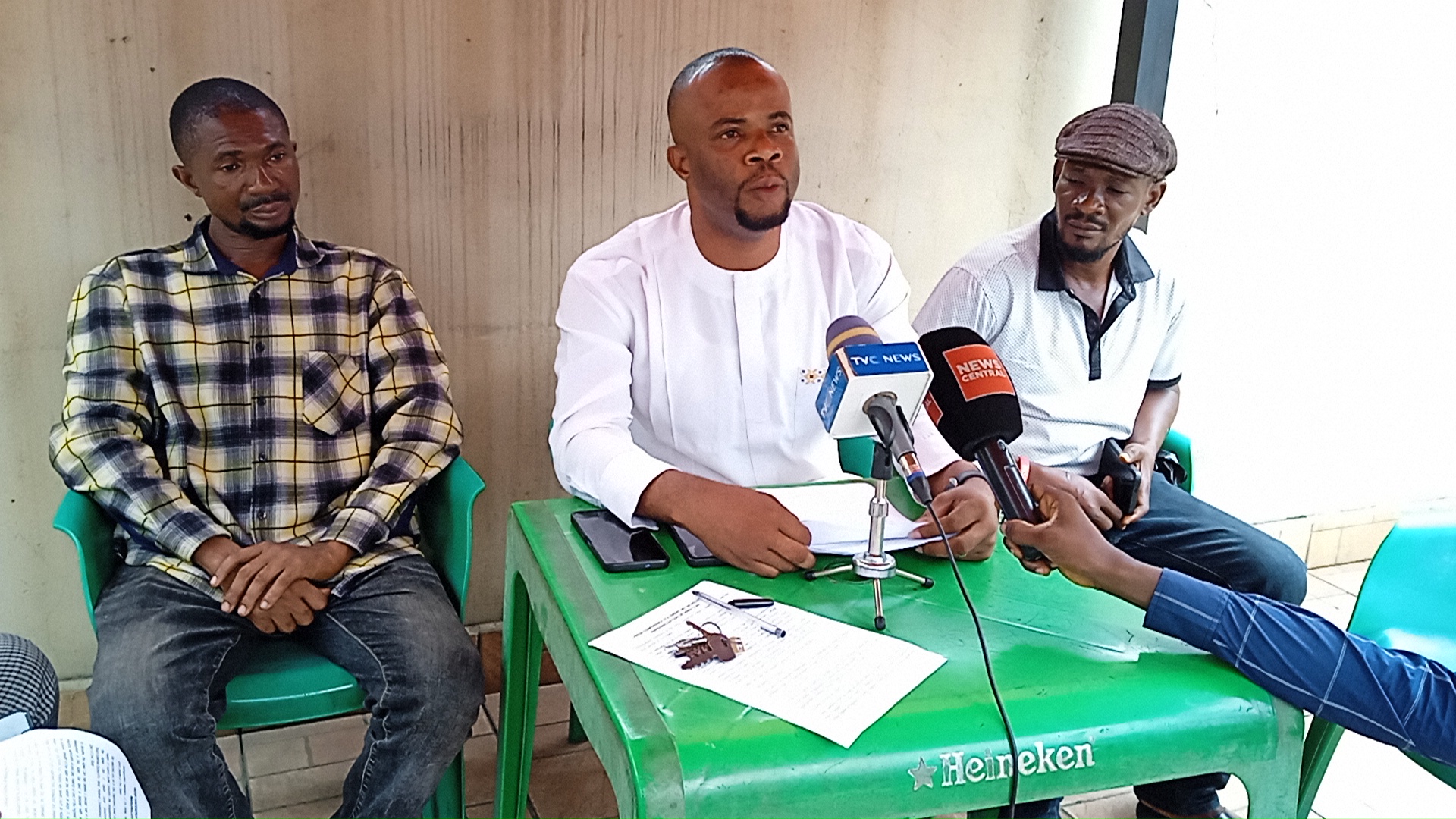
The Niger Delta Progressive Youth Movement (NDPYM), led by Prince Maduba Chukwudi Francis (OluImo), has brought renewed attention to the long-standing political marginalization of the Agwa Clan in Oguta Local Government Area of Imo State. According to the group, despite being an integral part of the Ohaji/Egbema/Oguta/Oru West Federal Constituency and the Orlu Senatorial Zone, the Agwa people have remained on the fringes of political representation for decades. This continued exclusion has created deep concerns about fairness, justice, and equal participation in governance.
Over the years, the absence of Agwa voices in key political positions has limited the community’s ability to influence decisions that directly affect its development. Critical issues such as infrastructure, education, healthcare, and youth empowerment have often been addressed without adequate input from the people most affected. This has contributed to a growing sense of neglect and disconnection among members of the community.
The Agwa Clan is widely recognized as a major contributor to the economic strength of Imo State and Nigeria. The region is richly endowed with oil and gas resources, which serve as a steady source of revenue for both the state and the nation. In addition to its natural resources, Agwa plays an important role in agriculture, with institutions like Adapalm Nigeria Limited supporting food production, employment, and local enterprise. These contributions highlight the need for a more balanced relationship between what the community gives and what it receives in terms of representation.
Despite these contributions, the pattern of exclusion has remained consistent across political cycles. The lack of access to elective offices and leadership positions has denied the people of Agwa the opportunity to advocate effectively for their needs. This situation has also discouraged many young people within the community, who feel that their aspirations for leadership and participation are often overlooked.
In light of these realities, the group calls for a clear acknowledgment of the historical imbalance that has disadvantaged the Agwa Clan. Recognizing this issue is an important step toward building trust and creating a political environment where all communities feel included. Without such recognition, efforts to promote unity and development may continue to fall short.
The statement identifies the 2027 general elections as a critical opportunity to address these concerns. It presents the election as a moment for political actors to take deliberate steps toward correcting past exclusions. By making inclusive decisions during this period, stakeholders can help create a more balanced and representative political structure that reflects the diversity of the constituency.
Central to the demands of the group is the zoning of political party tickets to candidates from the Agwa Clan for key elective positions. This approach is seen as a practical way to ensure that the community has a fair chance to participate in governance. It also provides a pathway for capable individuals from Agwa to contribute their ideas, skills, and leadership toward the development of the constituency and the state.
The group also calls on political parties and influential leaders to act with sincerity by supporting candidates from the Agwa Clan. It urges them to move beyond verbal commitments and take concrete steps that reflect fairness in the political process. By doing so, they can help build confidence among the people and strengthen democratic participation across all communities.
A direct appeal is made to the Governor of Imo State, Senator Hope Uzodimma, to play an active role in addressing this issue. As the leader of the state, his actions and decisions carry weight in shaping political direction and promoting balance. Addressing the concerns of the Agwa Clan would contribute to a more inclusive system where every community has a sense of belonging.
The statement also highlights the importance of peaceful engagement and dialogue in pursuing these demands. It makes clear that the movement seeks constructive solutions through democratic means, while maintaining a firm stance on the need for fairness. The group stresses that continued neglect could deepen frustration among the people and weaken confidence in existing structures.
Members of the Agwa Clan have expressed their determination to continue advocating for their rightful place in the political landscape. Community leaders, youths, and stakeholders are increasingly coming together to push for change, using lawful and organized approaches to make their voices heard. This growing unity reflects a shared desire for progress and equal opportunity.
In addition, the role of the media is described as essential in bringing attention to the issue. By giving visibility to the concerns of the Agwa people, the media can help encourage meaningful conversations and influence positive action among decision-makers. Public awareness remains a powerful tool in addressing imbalances and promoting accountability.
Ultimately, the call for political inclusion is not only about representation but also about creating a system where development is evenly distributed. When all communities are given a fair opportunity to participate, the benefits extend beyond one group and contribute to the overall stability and progress of the state.
In conclusion, the Agwa Clan continues to stand united in its pursuit of fairness and inclusion in the political affairs of Imo State. The movement remains committed to sustained advocacy, dialogue, and engagement until meaningful progress is achieved. The message is clear: equitable representation is necessary for lasting development, unity, and a stronger democratic system.
