By our reporter
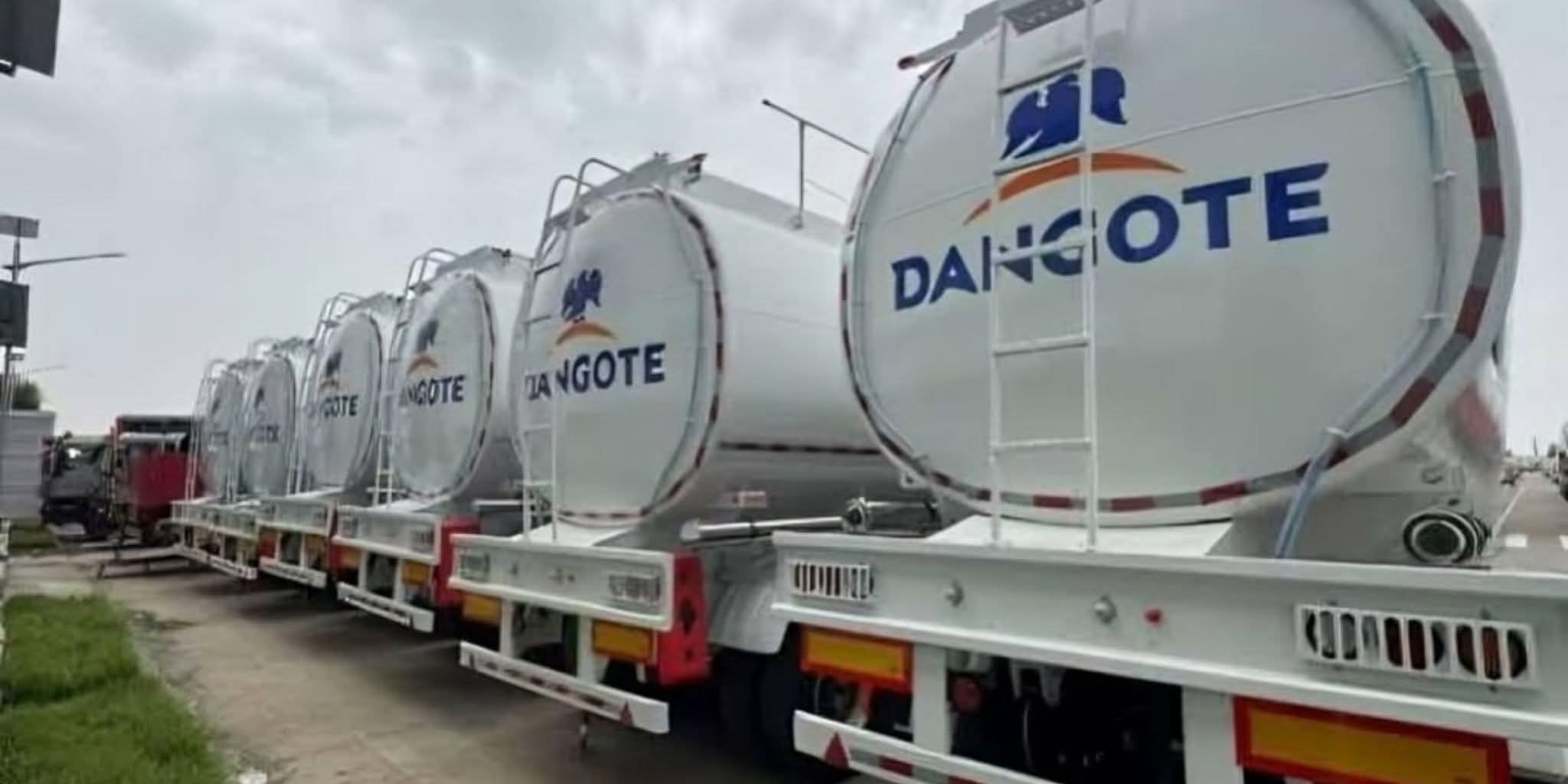
In a transformative step aimed at redefining Nigeria’s energy logistics, Dangote Petroleum Refinery has unveiled a N720 billion investment into a gas-powered fuel distribution system designed to significantly reduce the nation’s petroleum transportation costs. The initiative will see 4,000 Compressed Natural Gas (CNG) trucks deployed across the country—offering an annual economic relief of over N1.7 trillion and unlocking new opportunities for over 42 million Micro, Small, and Medium Enterprises (MSMEs).
The privately owned refinery plans to begin direct delivery of fuel products—including petrol, diesel, and aviation fuel—to filling stations and industrial consumers nationwide starting August 15. This bold move bypasses traditional supply channels and middlemen, enabling the refinery to absorb an estimated N1.07 trillion in yearly logistics costs, according to company projections.
The introduction of a CNG-powered fleet is expected to reduce transportation costs that have long burdened marketers and end users. With logistics costs previously averaging around N45 per litre, the shift to a gas-based system offers a cleaner, more affordable, and more efficient model of fuel distribution.
By removing intermediary transportation costs, the initiative is also poised to lower fuel prices at the pump, help moderate inflation, and ease the financial pressures faced by millions of businesses that rely heavily on fuel for daily operations. Analysts predict that these changes will have a ripple effect on overall economic activity, improving productivity and competitiveness, especially among smaller enterprises.
The new distribution model includes the creation of supporting infrastructure such as nationwide CNG filling stations, which will also provide a foundation for wider adoption of gas-powered transport in Nigeria. In addition to its environmental benefits—such as reduced carbon emissions—this shift promotes long-term energy security by increasing domestic fuel access and usage.
The program is also expected to revive numerous dormant filling stations, particularly in underserved regions, making fuel more accessible in rural communities. The projected job creation from the initiative is significant, with more than 15,000 direct roles expected across transportation and station operations.
Industry leaders, economists, and government officials have welcomed the move, describing it as a forward-thinking solution to long-standing challenges in Nigeria’s downstream sector. The Presidency endorsed the plan as a major milestone in the country’s transition to gas-based transportation, calling it a signal of confidence in Nigeria’s energy future.
Experts see the Dangote initiative as a model of efficient private-sector intervention in critical national infrastructure. It not only addresses supply inefficiencies but also eliminates reliance on unreliable pipelines and expensive bridging systems, which have plagued Nigeria’s fuel distribution for decades.
By introducing a self-sustaining, scalable, and environmentally conscious fuel logistics system, Dangote is positioning itself as a key driver of inclusive economic growth while setting a new benchmark for industry reform in Africa’s largest energy market.
