By our reporter
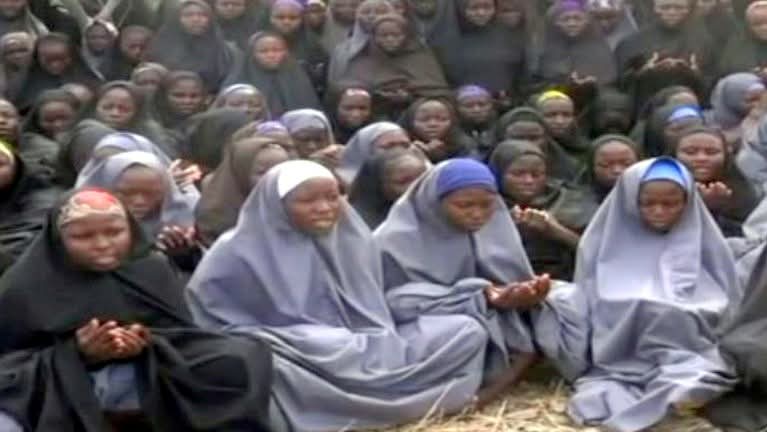
A decade after the abduction of schoolgirls from Chibok, Borno State, a new report by the United Nations has revealed that 91 of the girls remain missing or are still believed to be in captivity.
The report, released by the United Nations Committee on the Elimination of Discrimination Against Women (CEDAW), marks ten years since the night of April 14, 2014, when 276 girls were kidnapped from Government Secondary School, Chibok, by the extremist group Boko Haram.
Despite international pressure and global advocacy campaigns, including the widely known #BringBackOurGirls movement, many of the girls have not been recovered. The new UN findings confirm that while some progress has been made, significant gaps remain in rescue and reintegration efforts.
According to the report, approximately 82 of the girls escaped shortly after the abduction, and 103 others were released in stages between 2016 and 2017, mainly through negotiations and prisoner exchanges. However, 91 girls are still unaccounted for, with many believed to be held in captivity in remote areas controlled by Boko Haram or its splinter factions.
The report includes harrowing details of the abuse many girls have endured while in captivity. Victims have suffered forced marriages, religious conversion, sexual violence, physical abuse, and childbirth in conditions of extreme deprivation. The long-term psychological and emotional toll on the girls has been profound.
Those who have regained their freedom face additional challenges upon return. Survivors often encounter stigmatization within their communities, lack access to mental health support, and struggle to resume their education. Many continue to live in displacement camps with little to no rehabilitation services.
The UN report criticized the Nigerian government’s handling of the crisis, describing the response as inadequate and lacking in both transparency and accountability. The committee noted failures in preventing such attacks, protecting schools in conflict-affected regions, and ensuring proper care and support for victims and their families.
Families of the missing girls report being left uninformed about the status of rescue operations. In many cases, they have received no official updates for years, leaving them in a state of emotional limbo.
The report also draws attention to gaps in Nigeria’s legal framework. In several states, abduction, marital rape, and child marriage are not clearly criminalized. This legal ambiguity undermines efforts to secure justice for survivors and hold perpetrators accountable.
Human rights organizations and women’s rights advocates are calling for urgent legal reforms and stronger enforcement of existing laws to protect women and girls from violence and exploitation. They are also urging the Nigerian government to release a comprehensive report on the status of ongoing rescue missions and to establish a clear strategy for locating and recovering the missing girls.
As the world marks ten years since the Chibok tragedy, the United Nations and various civil society groups have renewed calls for sustained global attention and action. Many believe that only through continued pressure and commitment can the remaining girls be found and efforts to prevent future atrocities be strengthened.
The legacy of Chibok, they say, is not only a reminder of the brutality of terrorism but also a test of national and international will to protect the most vulnerable in times of conflict.
