By Our Correspondent
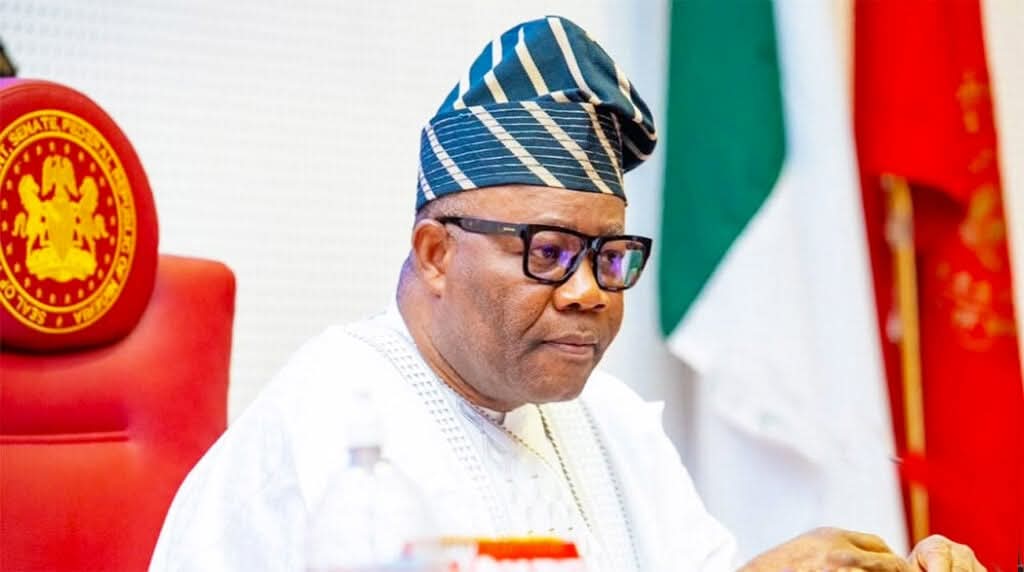
The Socio-Economic Rights and Accountability Project (SERAP) has called on Senate President Godswill Akpabio to publicly identify officials allegedly connected to the disappearance of over N210 trillion from the Nigerian National Petroleum Company Limited (NNPCL), intensifying pressure on the National Assembly to address one of the most serious corruption allegations in recent times.
In a strongly worded statement, SERAP urged Akpabio to go beyond general assurances and ensure that the names of those implicated are made public. The organization also demanded the immediate release of all investigation reports related to the alleged financial irregularities, stressing that transparency is essential to restoring public confidence in Nigeria’s governance and oversight institutions.
The anti-corruption group argued that the scale of the alleged missing funds if proven represents a grave threat to Nigeria’s economic stability. As the NNPCL plays a central role in managing the country’s oil revenues, any major discrepancy in its financial records raises concerns about accountability, fiscal management, and the effective use of national resources.
SERAP further called on the Senate to exercise its constitutional oversight powers by launching a thorough and independent probe into the matter. It recommended that any officials found to be involved should be promptly referred to relevant law enforcement and anti-corruption agencies for investigation and possible prosecution, in line with the rule of law.
The organization warned that failure to act decisively could deepen public distrust and reinforce perceptions of impunity within the system. It emphasized that Nigerians deserve clear answers regarding how public funds are managed, particularly in a sector as vital as oil and gas.
As scrutiny grows, the spotlight is now firmly on the Senate leadership to respond to SERAP’s demands. Observers say the outcome of this issue could serve as a critical test of the government’s commitment to transparency, accountability, and the fight against corruption in Nigeria’s most strategic industry.
