By Our Correspondent
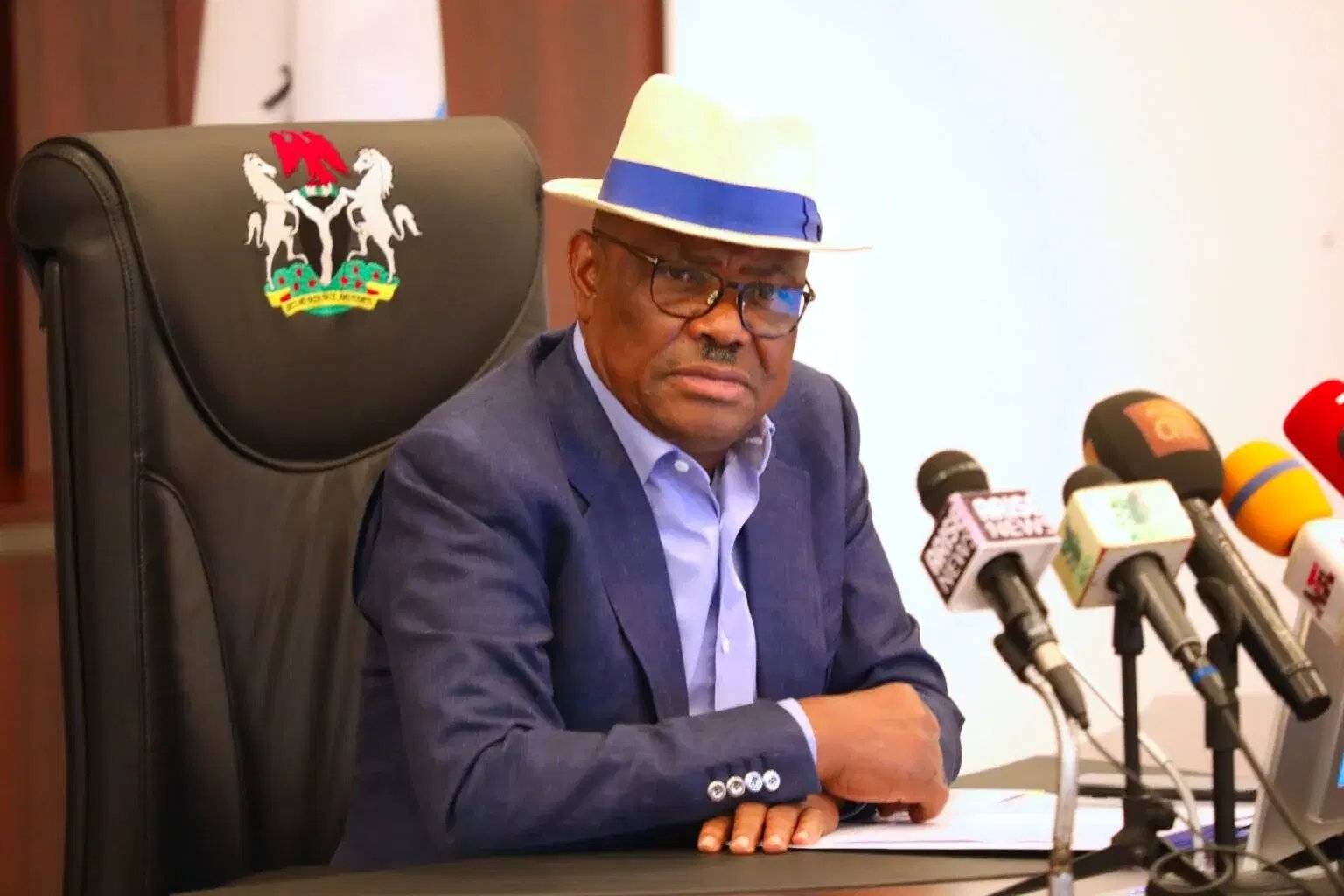
Minister of the Federal Capital Territory (FCT), Nyesom Wike, has defended his approach to politics, saying that while he is a committed Christian, he should not be judged by the standards expected of a pastor because politics operates under a different set of realities.
Speaking amid growing public debate over the relationship between faith and governance, Wike maintained that his Christian beliefs remain intact, but stressed that political leadership and religious ministry are two distinct callings with different responsibilities.
According to the former Rivers State governor, being a Christian does not automatically make one a pastor or spiritual leader. He explained that elected officials and political office holders are often required to make difficult decisions in pursuit of governance, negotiation, and public administration—responsibilities that differ significantly from those of clerics.
Wike’s remarks have sparked widespread discussion across political and religious circles, with many Nigerians weighing in on whether faith should directly shape political conduct. While some observers interpreted his comments as an honest acknowledgment of the realities of politics, others argued that public officials should consistently reflect the moral values associated with the faith they profess.
The statement also comes at a time when conversations about ethics, accountability, and leadership continue to dominate Nigeria’s political landscape. Analysts note that the intersection of religion and politics has long been a sensitive issue, especially in a country where faith plays a significant role in public life.
Supporters of the FCT Minister say his comments underscore the practical challenges of governance and the need to distinguish between spiritual responsibilities and political decision-making. They argue that political leadership often involves compromise, strategic negotiation, and balancing competing public interests.
Critics, however, maintain that while politics may have its own dynamics, integrity, transparency, and compassion should remain guiding principles for anyone holding public office, regardless of political pressures.
The remarks have continued to generate conversations on social media and in public discourse, highlighting broader questions about the role of personal faith in governance and the expectations Nigerians place on their leaders.
As reactions continue to emerge, Wike’s statement has once again placed the spotlight on the enduring debate over how religious values and political realities can coexist in Nigeria’s democratic system.
