By Our Correspondent
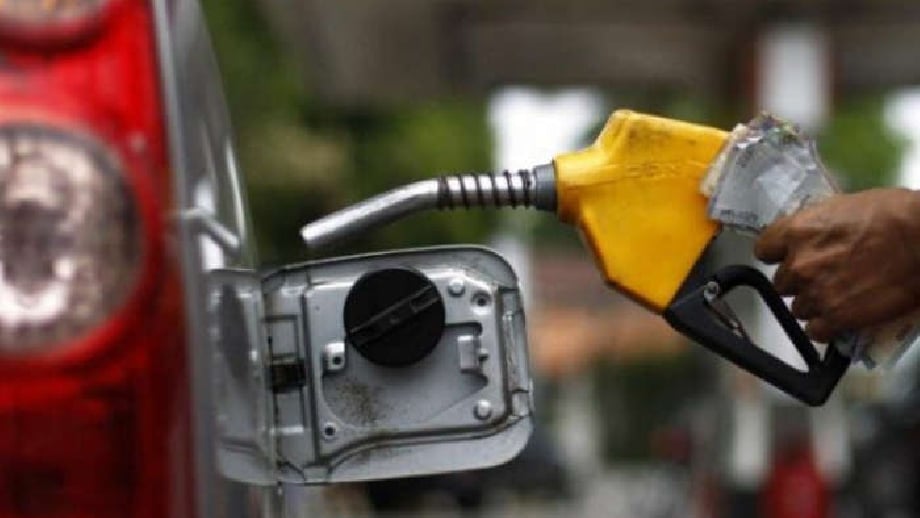
Motorists across Nigeria are beginning to enjoy some relief at the pump as several filling stations have started reducing the retail price of Premium Motor Spirit (PMS), popularly known as petrol.
The development comes amid a decline in depot prices and increased competition among petroleum marketers, creating room for some filling stations to adjust their pump prices downward.
In parts of the country, motorists have reported seeing petrol sold at lower prices than previously recorded, raising hopes that the downward trend could continue if market conditions remain favourable.
The reduction is particularly significant for Nigerians who have been grappling with high transportation costs and rising prices of goods and services. A sustained decline in petrol prices could gradually reduce pressure on transport operators, businesses and households.
In the petroleum market, some depot prices have reportedly fallen to around ₦1,330–₦1,335 per litre in key locations, including Port Harcourt, Warri and Calabar. Retail prices, however, continue to vary from one filling station and location to another.
Competition among petroleum marketers is playing an important role in the latest price reductions. As more suppliers make products available to marketers, filling stations have greater flexibility to review their prices in response to changing market conditions.
The increased availability of locally refined petroleum products is also contributing to changes in the downstream petroleum market. The growth of domestic refining capacity has created additional supply options for marketers and consumers.
For motorists, the most immediate concern is whether the reduction will spread to more filling stations and whether the lower prices will be sustained.
Port Harcourt and other parts of the South-South region have also witnessed changes in petrol prices, with some marketers reducing their pump prices following lower depot costs.
The development is being closely watched by motorists and transport operators in Rivers State, where petrol prices have a direct impact on transportation and the cost of doing business.
However, consumers are advised to check prices at different filling stations because there is currently no uniform retail price across the country.
A sustained fall in petrol prices could provide some relief to commercial transport operators, who have faced increased operating costs.
If transporters pass the savings on to passengers, commuters could eventually see reductions in fares on some routes. Lower fuel costs could also benefit logistics companies, farmers and small businesses that depend heavily on petrol-powered vehicles and equipment.
Economists and market watchers will be monitoring the situation to determine whether the current price reductions represent a temporary adjustment or the beginning of a more sustained downward trend.
For many motorists, any reduction in petrol prices is welcome news after months of dealing with elevated fuel and transportation costs.
Consumers are now watching closely to see whether more filling stations will follow the trend and reduce their pump prices further.
As competition increases within Nigeria’s downstream petroleum sector, the price at which consumers buy petrol may increasingly depend on factors such as depot prices, transportation costs, supply availability and individual marketers’ pricing decisions.
For now, the emerging reductions offer a measure of relief to motorists and businesses, while raising hopes that further adjustments could bring additional savings to Nigerian consumers.
With filling stations beginning to respond to changing market conditions, all eyes are now on the petrol market as Nigerians await to see whether the downward movement will continue.
