By Our Correspondent
A civic advocacy group has urged Bola Tinubu, President of Nigeria, to conduct a comprehensive review of the country’s existing pipeline surveillance arrangements. The group expressed concerns over transparency, efficiency, and the long-term sustainability of current contracts designed to safeguard Nigeria’s oil infrastructure.
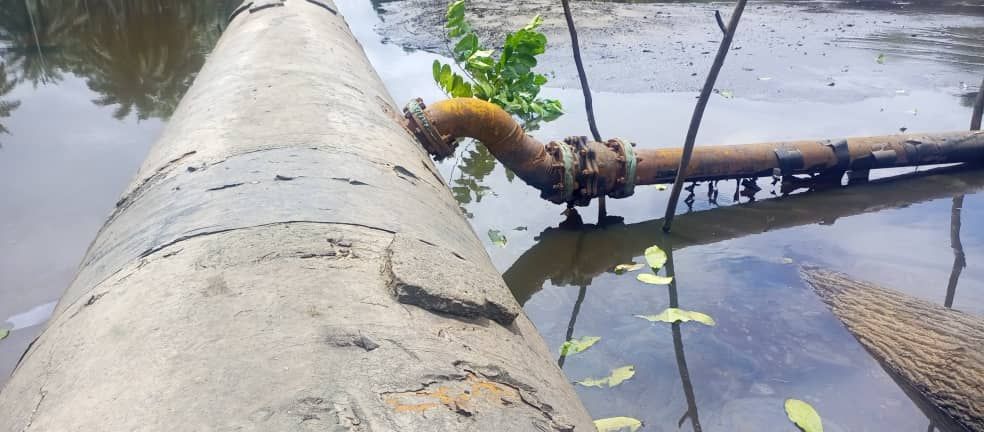
According to the group, pipeline surveillance plays a crucial role in protecting national assets, particularly in the oil-rich Niger Delta region where crude oil theft and pipeline vandalism have persisted for years. These illegal activities have significantly reduced Nigeria’s oil output, weakened government revenue, and damaged the environment.
While the government has awarded surveillance contracts to private firms and community-based security outfits to curb these challenges, critics argue that the system requires closer scrutiny.
The group emphasized the need for greater accountability in the award and management of surveillance contracts.
It called for a transparent procurement process that ensures value for money and measurable results. In its view, a structured review would help determine whether current arrangements are delivering optimal outcomes or whether adjustments are necessary to improve performance and coordination among security agencies.
Beyond financial implications, the group noted that effective pipeline protection is directly tied to national economic stability and investor confidence.
Nigeria’s heavy dependence on crude oil exports means that any disruption to production affects foreign exchange earnings and budget implementation. Strengthening surveillance systems, the group argued, would not only protect infrastructure but also reinforce public trust in the management of the country’s critical resources.
The appeal reflects growing public interest in how strategic national assets are managed and protected. Observers believe that a careful reassessment of surveillance policies could lead to reforms that enhance efficiency, reduce losses, and promote sustainable development in oil-producing communities.
