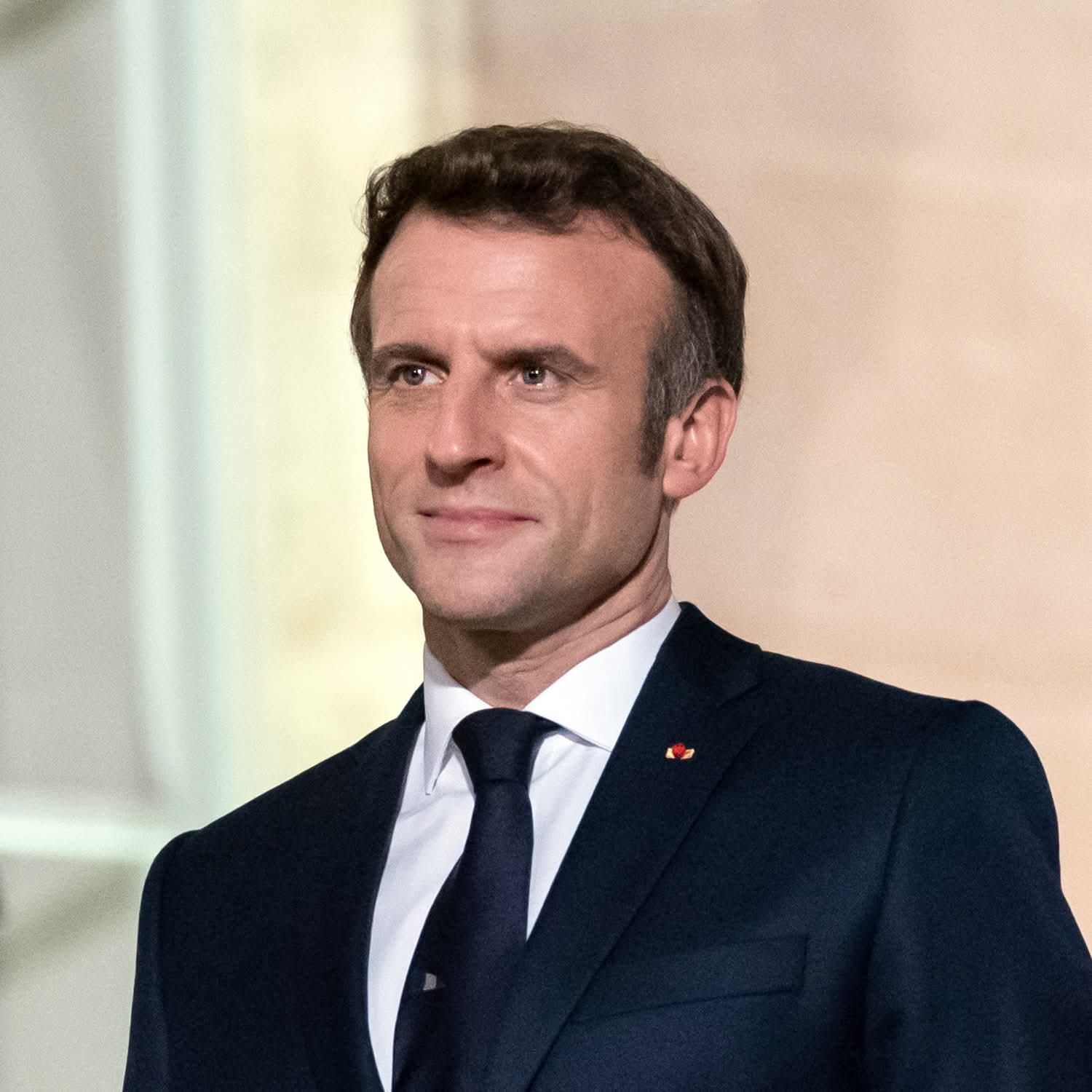
…President Macron Faces Deepening Crisis After Second Prime Minister Ousted in Under a Year
By our reporter
France has plunged deeper into political instability after Prime Minister François Bayrou was removed from office on Monday following a resounding no-confidence vote in parliament. This marks the second government collapse in under a year, intensifying pressure on President Emmanuel Macron and raising fears of prolonged deadlock in Europe’s second-largest economy.
Bayrou, a veteran centrist appointed just nine months ago, lost the confidence vote by a staggering margin: 364 votes to 194. His administration’s deeply unpopular austerity measures including €44 billion in budget cuts and the controversial scrapping of several public holidays ignited fierce opposition from both the left and far-right, ultimately uniting them in a rare alliance to bring down his government.
The collapse leaves President Macron without a functioning majority in the National Assembly. His centrist coalition, Ensemble, has been hemorrhaging support since the snap legislative elections of June 2024, which resulted in a hung parliament. With no single party able to form a stable majority, France is now effectively ungovernable.
Bayrou’s ouster follows the brief and troubled tenure of former Prime Minister Michel Barnier, who was also forced out earlier this year. The rapid turnover at the top two prime ministers gone in less than 12 months has sparked public frustration and eroded confidence in Macron’s leadership.
Marine Le Pen, leader of the far-right National Rally, has renewed her calls for fresh parliamentary elections, arguing that the current political paralysis is unsustainable. Polls suggest the National Rally would perform strongly in any new vote a scenario that Macron and his allies are desperate to avoid.
Yet Macron faces limited options. Calling another snap election risks empowering Le Pen’s party even further. On the other hand, appointing another centrist or technocratic prime minister could backfire, especially if the candidate fails to command support across France’s fractured political landscape.
Analysts say Macron is now at a crossroads. He must either gamble on a fragile coalition or risk giving the far right the keys to power through new elections. Neither path guarantees stability.
The political uncertainty comes amid worsening economic conditions. France’s budget deficit remains stuck at around 6 percent of GDP, and public debt is ballooning beyond 110 percent, prompting investor anxiety and triggering nationwide protests. Labor unions have threatened further strikes in response to ongoing public sector cuts, which they argue disproportionately impact working-class citizens.
Business leaders and European partners have expressed concern that France’s deepening crisis could spill over into EU policy-making at a time when the bloc is grappling with its own economic and geopolitical challenges.
Macron is expected to hold emergency consultations with party leaders this week as he searches for a viable successor to Bayrou. However, political insiders say no clear candidate has emerged who can command the broad support necessary to govern effectively.
In the meantime, France is once again without a functioning government, its institutions paralyzed, and its citizens growing increasingly disillusioned with the political elite.
As one Parisian protester put it during Monday’s demonstration, “We voted for change, not chaos. But all we get is crisis after crisis.”
