By our reporter
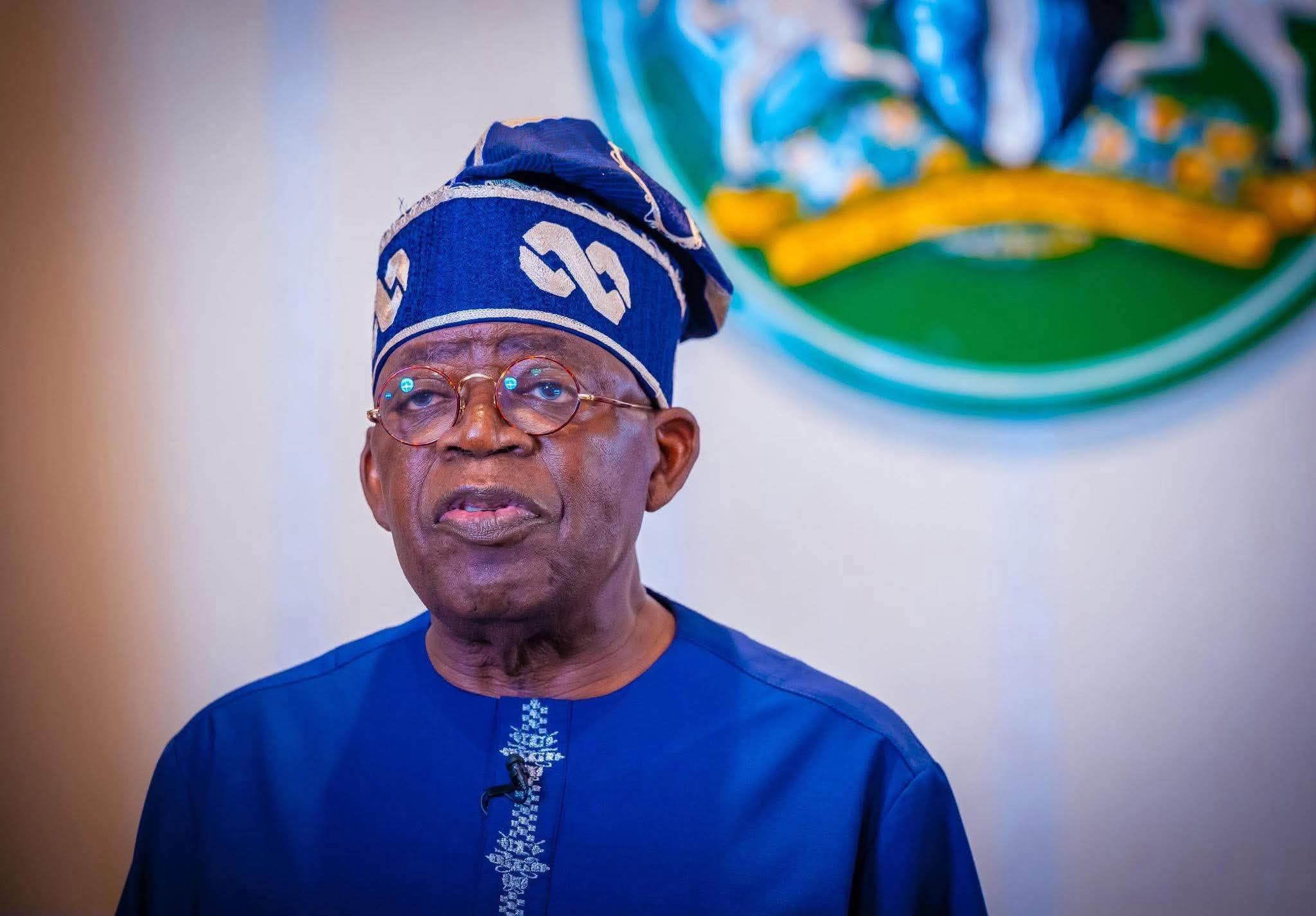
Nnamdi Kanu’s Special Counsel, Aloy Ejimakor, has accused President Bola Ahmed Tinubu of interfering with the judicial process through his Independence Day speech, which made reference to IPOB and other secessionist groups. Ejimakor described the presidents remarks as prejudicial, suggesting they were designed to influence the ongoing court proceedings involving Kanu, who remains in detention.
In his Independence Day address, President Tinubu reaffirmed his governments stance against secessionist movements and organizations considered threats to Nigeria’s unity and security. While the president did not mention Kanu by name, his comments were widely interpreted as targeting the Indigenous People of Biafra, the group Kanu leads.
Reacting to the speech, Ejimakor said it was a direct affront to the principle of judicial independence, especially given that Kanus trial is still ongoing. He argued that the presidents remarks could shape public opinion and create undue pressure on judicial officers, thereby compromising the fairness of the legal process.
It is a fundamental breach of judicial independence for the President to use a national platform to condemn a group whose leader is still undergoing trial, Ejimakor stated in a press release. This not only undermines the integrity of the courts but also sends a dangerous signal to judicial officers handling politically sensitive cases.
Ejimakor further accused the federal government of refusing to obey multiple court rulings related to Kanus bail, medical access, and the legality of his detention. He said that the governments actions reflect a pattern of executive overreach, particularly in cases involving high-profile political prisoners.
Legal analysts and civil rights groups have also expressed concern over what they describe as a growing trend of executive interference in the judiciary. They argue that such statements from government officials could undermine public trust in the courts and erode the principle of separation of powers.
One constitutional lawyer, Okey Uzoechi, warned that while the government has a duty to protect national security, it must do so within the limits of the law. The president should refrain from making any remarks that could influence judicial proceedings, especially when the courts are still deliberating on the matter, he said.
Nnamdi Kanu was initially arrested in 2015 on charges of treasonable felony and terrorism. After being granted bail in 2017, he fled the country following a military raid on his home. In 2021, he was re-arrested and extradited from Kenya under highly controversial circumstances. His legal team has argued that he was a victim of extraordinary rendition and that his continued detention violates both Nigerian and international law.
In 2022, the Court of Appeal ordered Kanus release, ruling that his arrest and return to Nigeria were unlawful. However, that ruling was later stayed by the Supreme Court, and Kanu has remained in the custody of the Department of State Services in Abuja.
With the trial still in progress, Kanus legal team insists that any public comment by government officials on his case constitutes interference and undermines the rule of law. They are calling on the judiciary to assert its independence and ensure that justice is served without influence from the executive branch.
The latest statements from Kanus counsel add to the growing tension between the federal government and supporters of the detained IPOB leader, as the legal battle continues to draw national and international attention.
