By Our Correspondent
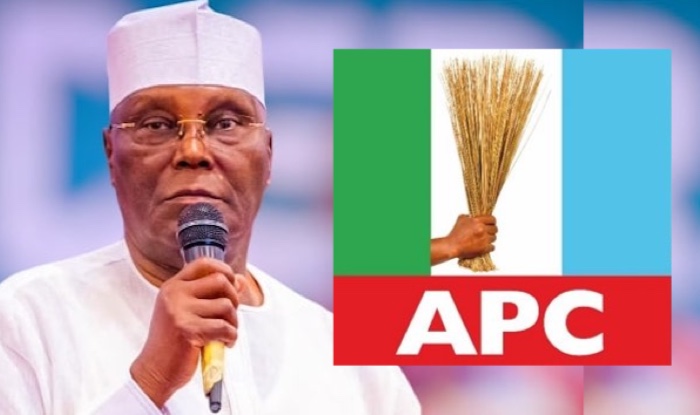
Former Vice President Atiku Abubakar has publicly expressed regret over his role in the formation of the All Progressives Congress (APC) in 2014, acknowledging that the political decision he once supported has not produced the progress many Nigerians had hoped for.
According to him, the coalition that was created to rescue the country from perceived democratic and governance failures has instead presided over conditions that he believes are now worse than before.
Atiku explained that the APC was formed as a merger of opposition parties determined to unseat the administration of former President Goodluck Jonathan in the 2015 general election.
At the time, many political leaders argued that democracy was under threat and that urgent action was required to reposition the country. The coalition succeeded in its objective when the APC’s candidate, Muhammadu Buhari, won the presidency, marking the first time an incumbent government was defeated at the federal level in Nigeria.
However, Atiku now says that the expectations that fueled that historic political shift have not been met.
He pointed to worsening insecurity, deepening economic hardship, rising inflation, unemployment, and governance challenges as evidence that the country’s situation has deteriorated rather than improved. In his view, the problems the coalition sought to correct have become more severe under successive APC administrations.
The former vice president also emphasized that his reflection is rooted in concern for national stability and democratic integrity. He argued that political leaders must be willing to admit mistakes and reassess past decisions when outcomes fall short of promises made to citizens. According to him, the ultimate responsibility of leadership is to ensure improved living standards, security, and inclusive governance.
Having since left the APC, Atiku returned to the Peoples Democratic Party (PDP) and is now politically aligned with the African Democratic Congress. He has called for greater unity among opposition forces ahead of the 2027 general elections, stressing the need for a broad coalition that can offer Nigerians what he describes as credible and people-centered leadership.
Atiku’s remarks have sparked renewed debate across the political landscape, with supporters praising his candor and critics questioning his timing and motives. Regardless of perspective, his statement underscores the continuing realignment and introspection shaping Nigeria’s political future as the country moves closer to another critical electoral cycle.
