By Our Correspondent
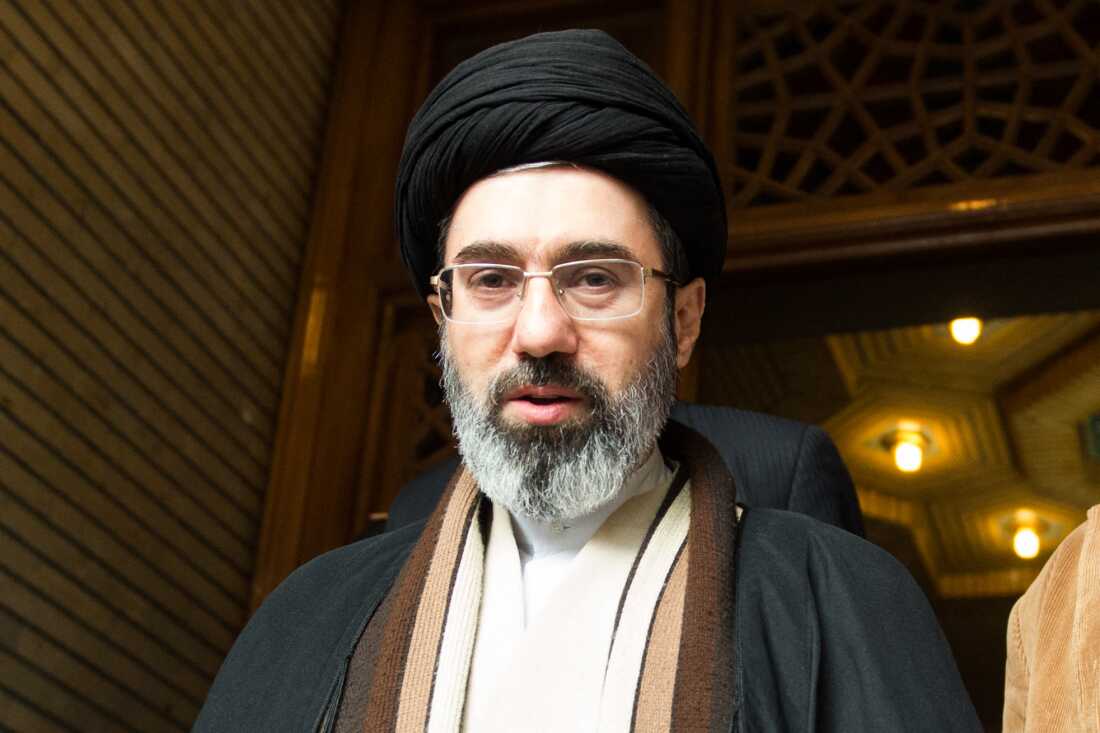
Tensions in the Middle East have escalated sharply after Mojtaba Khamenei, Iran’s newly recognized leader, declared that the Strait of Hormuz will remain blocked amid growing military confrontations and attacks on commercial shipping in the Gulf region.
In his first major message following the death of his father, Ali Khamenei, Mojtaba Khamenei warned that Iran would continue to restrict movement through the strategic waterway as a form of pressure against the United States and Israel. He also cautioned that further retaliation could target military installations and interests belonging to countries involved in recent strikes against Iran.
The warning comes as security conditions in the Gulf deteriorate rapidly. Several commercial vessels and oil tankers have reportedly been attacked or damaged in recent days, raising alarm among shipping companies and global energy markets. Some vessels were set ablaze, while others were forced to reroute or suspend transit through the area due to the heightened risk of conflict.
The Strait of Hormuz, located between Iran and Oman, is one of the most critical maritime chokepoints in the world. Roughly one-fifth of the global oil supply passes through the narrow waterway, connecting oil-producing countries in the Persian Gulf to international markets. Any disruption in this passage has the potential to trigger significant increases in global energy prices and supply shortages.
As tensions rise, military activity across the region has intensified. Reports indicate that missile and drone strikes have occurred near key strategic locations, increasing fears that the situation could escalate into a broader regional conflict involving multiple countries.
The escalating crisis has already begun to impact global markets. Oil prices have surged amid concerns about supply disruptions, while governments and energy companies are closely monitoring developments in the region.
Despite the strong rhetoric from Tehran, some Iranian officials have sent mixed signals regarding the complete closure of the waterway. Analysts suggest that Iran may be using the threat of blocking the strait as a strategic bargaining tool rather than implementing a full and sustained blockade.
With global energy security at stake, the international community is watching closely to see whether diplomatic efforts can reduce tensions or whether the confrontation will continue to escalate in the days ahead.
