By Our Correspondent
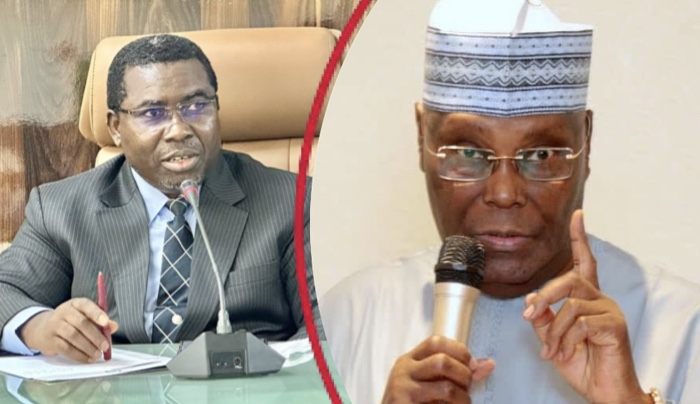
The African Democratic Congress (ADC) has intensified political tensions in Nigeria after calling for the immediate resignation of Joash Amupitan, the chairman of the Independent National Electoral Commission (INEC). The party accuses him of partisanship, raising fresh concerns about the credibility and neutrality of Nigeria’s electoral system ahead of future elections.
At the heart of the controversy are allegations that Amupitan was linked to a social media account that expressed support for the ruling party during the 2023 election period. The ADC argues that such actions—if proven—represent a serious breach of the impartiality expected of the head of the country’s electoral body. The party further claims there were attempts to delete or obscure digital evidence tied to the account, deepening suspicion and public unease.
In a strongly worded statement, ADC spokesperson Bolaji Abdullahi described the situation as a “direct assault on electoral integrity.” He warned that the party is prepared to mobilize mass protests and civil disobedience across the country if Amupitan does not step down. According to him, restoring public trust in INEC is non-negotiable as Nigeria approaches another critical electoral cycle.
However, Amupitan has firmly denied the allegations, distancing himself from the controversial account and insisting that he has maintained strict neutrality in his role. INEC has also dismissed the claims as politically motivated, emphasizing that the chairman’s position is protected by constitutional provisions and cannot be easily undermined by partisan pressure.
The dispute has quickly gained traction beyond the ADC, with notable opposition figures—including Atiku Abubakar—echoing concerns about the perceived independence of INEC. This growing chorus of criticism reflects wider anxieties about whether Nigeria’s electoral system can remain credible and transparent in the face of mounting political rivalry.
As tensions rise, the situation underscores a deeper national issue: the fragile trust between political actors and the institutions meant to safeguard democracy. Whether the allegations are substantiated or not, the controversy is already shaping political discourse and could have far-reaching implications for Nigeria’s democratic stability and the credibility of future elections.
