By our reporter
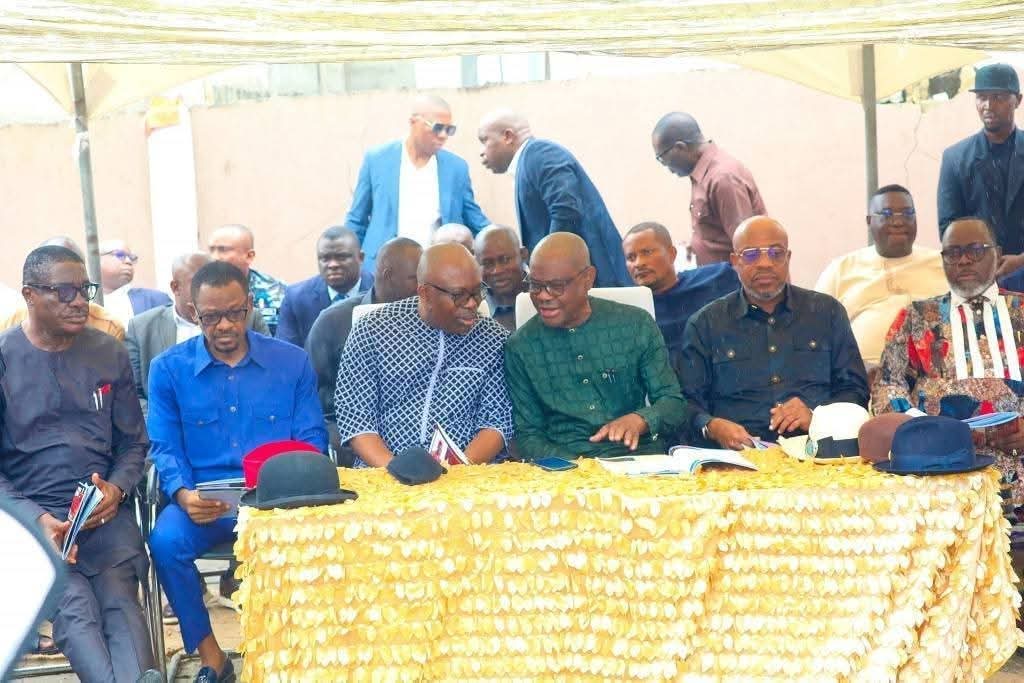
The political feud between former Rivers State Governor Nyesom Wike and his successor, Governor Siminalayi Fubara, has once again laid bare the volatile nature of political alliances in Nigeria. But beyond the headlines and power tussles, the unfolding drama offers a deeper lesson—especially for aspiring and upcoming politicians: in politics, loyalty is currency, and betrayal comes with a cost.
Fubara, who rose through the political ladder under Wike’s patronage, is now locked in a high-stakes battle with his former mentor. While it is not uncommon for political protégés to assert their independence, the speed and intensity of the fallout have shocked many observers and unsettled the Rivers political landscape.
This saga highlights a crucial truth: politics may not have permanent friends or enemies, but it never forgets broken trust. The idea that one can swiftly turn against the very system or individual that enabled their rise to power—and expect no consequences—is not only naïve but dangerous.
For upcoming politicians, the message is clear: never bite the finger that fed you, especially in a system that thrives on loyalty, hierarchy, and calculated alliances. While independence and vision are important, they must be pursued with wisdom, timing, and respect for political history.
The political structure in Nigeria is heavily personality-driven. Patronage and godfatherism, though controversial, remain part of the power play. Navigating that space requires more than ambition; it demands strategy, gratitude, and an understanding of when to challenge and when to consolidate.
What’s happening in Rivers State should not be reduced to mere infighting. It is a living political classroom, teaching all observers that gratitude, loyalty, and patience are not weaknesses—they are survival tools.
In the end, as the dust settles, both Wike and Fubara may come to new political terms. But for the next generation of leaders watching from the sidelines, this is a powerful reminder: the same ladder that lifts you up can be swiftly pulled away if you forget who held it steady.
