By our reporter
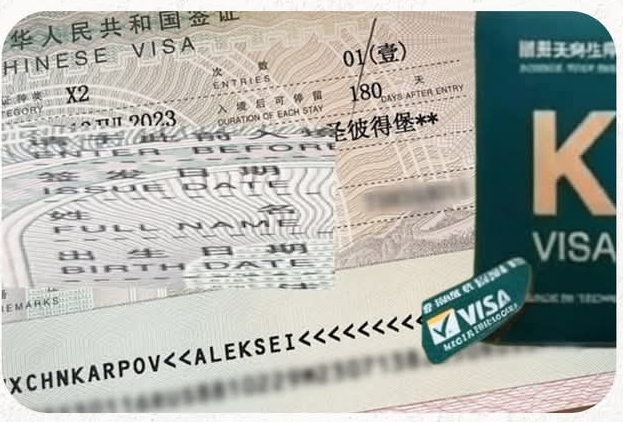
China has introduced a new visa category, known as the K visa, aimed at attracting foreign graduates in science, technology, engineering, and mathematics (STEM) fields. The policy, which comes into effect on October 1, 2025, allows eligible individuals to live and work in China without needing a job offer or employer sponsorship at the time of application.
The new visa was announced by the State Council as part of broader amendments to the country’s immigration regulations. It is designed to simplify access for international talent and strengthen China’s position in the global competition for skilled professionals in key high-tech industries.
Unlike traditional work visas, the K visa will offer greater flexibility in terms of validity period, number of entries, and duration of stay. Holders of the visa will be allowed to participate in various professional activities, including research, innovation, entrepreneurship, education, and business. While the visa will be open to foreign nationals who meet certain criteria related to age, education, and experience, the exact eligibility requirements are still being finalized.
The launch of the K visa comes amid increasing restrictions in the United States on foreign skilled workers, particularly those applying under the H‑1B visa program. Recent proposals in the U.S. include significantly higher application fees, such as a $100,000 charge for companies sponsoring new H‑1B workers. These changes have raised concerns among international students and tech professionals seeking opportunities in the United States.
In contrast, China is positioning itself as a more accessible and welcoming destination for foreign STEM talent. The introduction of the K visa aligns with China’s broader national strategy to advance innovation and reduce dependency on foreign technologies by investing in human capital and international collaboration.
According to policy experts, the new visa could become a key tool in reversing the brain drain and encouraging more global graduates to consider China as a destination for research and career development. China’s expanding tech industry, along with increased funding for science and innovation, is expected to enhance the appeal of this program for young professionals.
However, some challenges remain. Language barriers, cultural differences, and limited information about the long-term benefits of the K visa—such as permanent residency or family inclusion—may affect its adoption. There are also broader geopolitical concerns that could influence the willingness of some foreign professionals to relocate to China.
Nevertheless, the rollout of the K visa marks a significant step in China’s efforts to become a global talent hub. By offering a more flexible and less bureaucratic pathway for STEM graduates, China is signaling a strong commitment to building a future powered by international expertise and technological leadership.
