By Our Correspondent
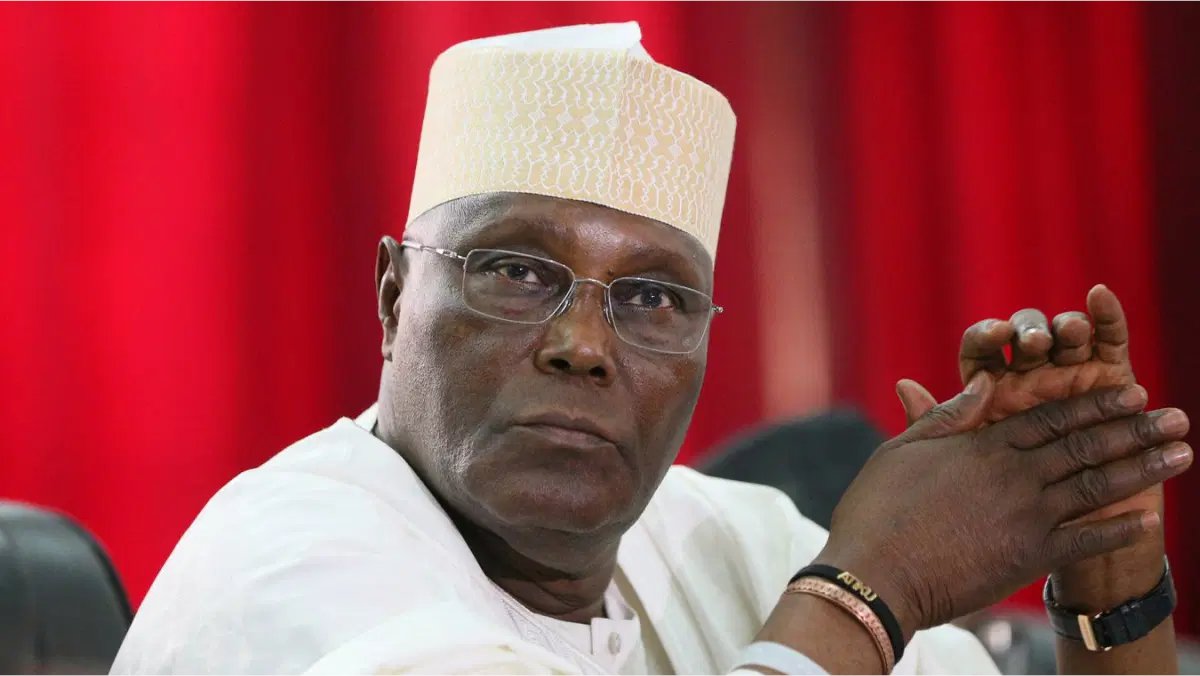
Former Vice President Atiku Abubakar has called on the Federal Government to disclose the identities of officials allegedly linked to the controversial establishment and operation of a purported government agency uncovered by the Independent Corrupt Practices and Other Related Offences Commission (ICPC).
Atiku’s demand followed revelations from an ICPC investigation into the activities of the purported Presidential Foreign Investment Promotion Council (PFIPC), which the anti-corruption agency reportedly found had no legal backing through an Act of the National Assembly or a valid executive order.
The development has triggered fresh questions about how individuals and organisations allegedly operating without proper government authorisation were able to gain access to official channels and present themselves as legitimate government entities.
In a statement reacting to the ICPC findings, Atiku reportedly questioned why attention should focus solely on the individual accused of creating or operating the purported agency when the investigation itself allegedly pointed to failures, negligence and possible connivance within government processes.
The former vice president argued that if public officials assisted, knowingly or unknowingly, in giving credibility to an entity that was not legally established, Nigerians deserve to know who those officials are.
According to reports on the ICPC investigation, the commission found that documents allegedly used by the purported head of the PFIPC, Adeniyi Adeyemi, were forged. The commission also reportedly recommended that Adeyemi face prosecution over the allegations.
The investigation has further raised concerns over the ease with which purported government institutions can emerge and operate without clear statutory authority.
Atiku therefore wants the government to go beyond identifying the alleged fake agency and the person at its centre by also investigating the government officials and institutions whose actions or inactions may have allowed the situation to continue.
The former vice president reportedly maintained that Nigerians should not be left with the impression that the scandal was solely the work of an outsider who acted without any assistance from within government circles.
He also questioned whether adequate verification mechanisms were followed before the purported agency was allowed to function and interact with members of the public, investors and other stakeholders under the appearance of government authority.
The ICPC investigation reportedly uncovered two other purportedly fake agencies, adding another dimension to the controversy and raising broader concerns about the effectiveness of safeguards against fraudulent government representations.
The commission has reportedly recommended administrative sanctions against public officials whose negligence allegedly contributed to the situation, while investigations into the broader circumstances surrounding the matter continue.
Atiku’s latest demand is consequently expected to intensify calls for greater transparency within government, particularly over the procedures used to authenticate agencies, appointments, official documents and government-backed investment initiatives.
The controversy also comes at a time when the Federal Government is seeking to attract both domestic and international investment. Observers say incidents involving purported government agencies could potentially undermine confidence if investors are unable to easily distinguish legitimate government institutions from fraudulent entities.
For Atiku, the key issue now is accountability.
He is asking the government to publish the identities of the officials allegedly involved and explain how the purported agency was able to operate for a period without being detected.
The demand has also placed pressure on the relevant authorities to demonstrate that the ICPC findings will lead to concrete action rather than becoming another investigation that generates headlines without delivering accountability.
However, allegations contained in the investigation should not be treated as proof of criminal wrongdoing against any individual or public official unless established through due process.
As the controversy unfolds, attention is now shifting to the next steps by the ICPC and the Federal Government, particularly whether those allegedly responsible for creating the purported agency will be prosecuted and whether officials accused of negligence or possible connivance will face disciplinary action.
The central question remains: Who helped the purported agency gain credibility, and why did government verification systems fail to stop it earlier?
For now, Atiku is demanding answers — and Nigerians are waiting to see whether the government will provide the names and explanations being sought.
