By Our Correspondent
The General Overseer of the Redeemed Christian Church of God (RCCG), Pastor Enoch Adeboye, has defended President Bola Ahmed Tinubu over the persistent insecurity facing Nigeria, saying the President has fulfilled his constitutional responsibility by issuing directives to the nation’s security agencies.
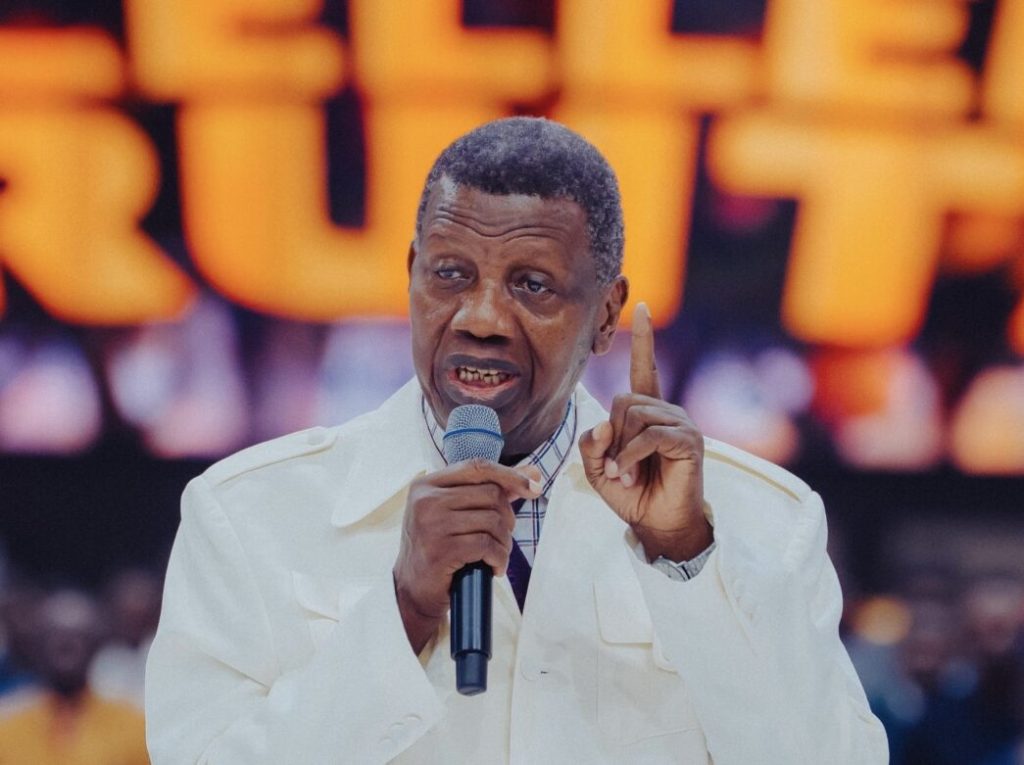
Speaking at the US-Nigeria Faith Heroes Award Gala held in Washington, D.C., Adeboye said the responsibility of a commander-in-chief is to provide leadership and give strategic instructions to the military and other security institutions. According to him, expecting the President to personally join soldiers on the battlefield is unrealistic because the Constitution assigns that responsibility to the armed forces.
Adeboye explained that once a president has given clear orders to the military and security agencies, it becomes the duty of the commanders and officers to carry out those instructions effectively and produce results.
While defending the President’s constitutional role, Adeboye admitted that Nigeria’s security challenges remain serious and continue to affect millions of citizens across the country. He noted that terrorism, banditry, kidnapping, and other violent crimes have spread beyond the northern region and are now affecting several communities in the South.
He expressed concern over the growing fear among Nigerians, saying many families now live with uncertainty because of repeated attacks, abductions, and violent crimes. He added that restoring peace and security should remain one of the country’s top priorities since no nation can achieve meaningful development without safety.
Pastor Adeboye also disclosed that he had privately advised President Tinubu to take stronger action against criminal groups. He said he recommended giving the military a 90-day deadline to make major progress in the fight against terrorism. He also urged the government to identify and prosecute individuals accused of financing, supplying, or supporting terrorist groups and other criminal networks.
According to Adeboye, anyone found sponsoring insecurity should face the full weight of the law, regardless of political position, wealth, or influence. He added that defeating terrorism requires not only military operations but also cutting off the financial and logistical support that allows criminal groups to operate.
His comments have generated reactions from Nigerians, with many describing his position as balanced. While some agree that the President’s duty is to provide leadership and issue directives to the security agencies, others believe Nigerians expect quicker and more visible improvements in the country’s security situation.
The remarks have also renewed discussions about the effectiveness of Nigeria’s security system, the performance of military commanders, and the need for stronger cooperation among security agencies to tackle terrorism, banditry, kidnapping, and other violent crimes across the country.
As Nigeria continues to face security challenges, Adeboye’s comments are expected to remain part of the national conversation on leadership, governance, and the responsibility of government institutions to protect the lives and property of citizens.
