By Our Correspondent
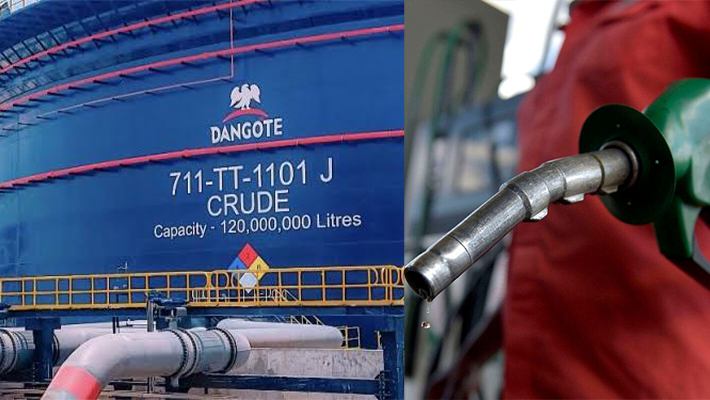
Fresh relief for Nigerian businesses as Africa’s largest refinery reduces diesel gantry price from ₦1,720 to ₦1,595 per litre, raising expectations of lower prices at filling stations nationwide.
Nigerians may be in for another round of relief following a fresh reduction in the price of diesel by Dangote Petroleum Refinery, barely after the refinery announced a reduction in the price of petrol.
The refinery has reduced its Automotive Gas Oil (AGO), popularly known as diesel, gantry price by ₦125 per litre, bringing the new price down from ₦1,720 to ₦1,595 per litre.
The latest adjustment represents another significant development in Nigeria’s downstream petroleum market, particularly for businesses, manufacturers, transport operators and households that depend heavily on diesel to power their daily activities.
The development was reported on Thursday, November 26, 2026, following a market survey by Daily Post, which indicated that the refinery had adjusted its diesel selling price nationwide.
The reduction comes shortly after Dangote Refinery also lowered its petrol gantry price to ₦1,060 per litre, triggering adjustments in petrol prices across several filling station networks in the country.
With the latest diesel price adjustment, expectations are growing that independent petroleum marketers and other fuel retailers may also review their selling prices downward as cheaper supplies become available.
Diesel remains one of the most important energy sources for Nigerian businesses, especially manufacturing companies, small-scale industries, commercial establishments and transport operators that rely on generators and diesel-powered equipment because of electricity supply challenges.
For many business owners, the high cost of diesel has continued to increase operating expenses, forcing some to raise the prices of their products and services to remain in business.
The latest reduction could therefore provide some breathing space for businesses if the lower gantry price translates into cheaper diesel at retail outlets.
Manufacturers, in particular, could benefit from the development, as diesel accounts for a substantial portion of their energy expenses. A sustained reduction in the price of the product could help ease production costs and reduce some of the financial pressure facing businesses.
Transport operators may also welcome the development, especially those who depend on diesel-powered trucks, buses and other commercial vehicles to move passengers and goods across different parts of the country.
Lower diesel prices could also have positive implications for the distribution of food, agricultural products and other essential commodities, although the extent of any benefit will depend on how quickly transport and distribution costs respond to the reduction.
The latest adjustment further highlights the growing influence of domestic refining capacity in Nigeria’s petroleum market, as the Dangote Refinery continues to review its product prices in response to changing market conditions.
However, Nigerians will be watching closely to see whether filling station operators will immediately reflect the new price in their retail charges or maintain existing prices until their current stock is exhausted.
It is important to note that the ₦1,595 per litre price represents the refinery’s reported gantry price and does not automatically mean that diesel will sell for the same amount at every filling station.
The final retail price may vary depending on transportation expenses, marketers’ margins, location and other distribution costs.
Nevertheless, the ₦125 reduction has created fresh expectations among consumers and businesses hoping for further relief from the rising cost of energy.
With petrol and diesel prices now experiencing downward adjustments at the refinery level, attention is turning to petroleum marketers and the speed at which the reductions will reach ordinary Nigerians.
For millions of businesses and households struggling with high operating costs, any sustained reduction in the price of petroleum products could make a meaningful difference.
The big question now is: Will diesel prices at filling stations across Nigeria also drop significantly following Dangote Refinery’s latest ₦125 reduction?
