By Mavis Opara
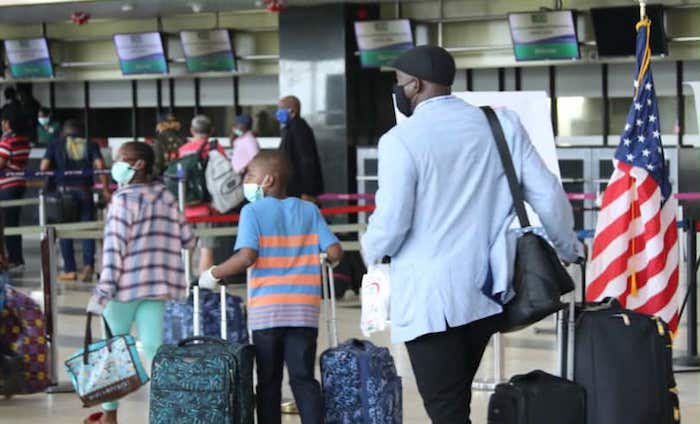
Every October 1st, the same rituals play out: flags raised, anthems sung, speeches about sacrifice and unity. But this year, as Nigeria marks another Independence Day, a quieter and more honest picture sits underneath the celebration. A growing number of Nigerians, many of them young, skilled, and educated, are not staying to celebrate. They are packing, applying, and leaving. The Japa trend has turned Independence Day into an uncomfortable question: independence from what, exactly, if so many still want out?
The contradiction we don’t talk about
Independence was supposed to mean self determination, the right to build a nation on our own terms. Sixty Six years later, the loudest form of self determination for many young Nigerians is deciding to leave. Nurses, doctors, engineers, and graduates are not abandoning the country out of disloyalty. They are responding rationally to broken institutions: unreliable power, a currency that keeps losing value, insecurity, and a job market that undervalues their training. Japa isn’t a rejection of Nigeria. It’s a verdict on what Nigeria has failed to provide.
The numbers make the point better than any slogan can. The Federal Government disclosed that Nigeria lost about 15,000 to 16,000 doctors to Japa in the last five years, while about 17,000 were internally transferred, leaving the country with roughly 55,000 licensed doctors for a population of over 200 million. That is not a nation losing a few disgruntled workers. That is a nation hemorrhaging the very people it trained to keep its hospitals running.
Why this isn’t shameful, it’s data
Commentary on Japa often frames it as betrayal or a lack of patriotism. That framing gets it backwards. When a country loses its most capable people at this scale, it isn’t a character problem in the people leaving. It’s a leadership and infrastructure problem in the systems that pushed them out. Treating the trend as shameful doesn’t stop it, it only pushes people to leave more quietly, taking greater risks with irregular routes, dubious agents, and unverified opportunities, because open conversation about migration still carries stigma.
What Independence Day should actually make us ask
Instead of only asking “how do we celebrate independence,” we should be asking harder questions:
What would it take for staying to feel like the rational choice again?
What accountability exists for the officials and policies that make leaving more attractive than staying?
How do we protect the people who do leave, so their departure isn’t exploited by scammers preying on desperation?
A different kind of patriotism
Real patriotism isn’t performing loyalty on a public holiday. It’s holding the country accountable enough that citizens don’t feel forced to choose between their ambitions and their homeland. Until that accountability exists, Independence Day will keep carrying this uncomfortable double meaning: a celebration of freedom won decades ago, and a reminder of the freedom to leave that so many are exercising today.
This year, maybe the most honest form of celebration is not another speech about unity, but an honest reckoning with why unity keeps sending its best people abroad.
