By Our Correspondent
Arise TV journalist questions the FCT minister’s political approach as Nigeria’s 2027 election calculations gather momentum.
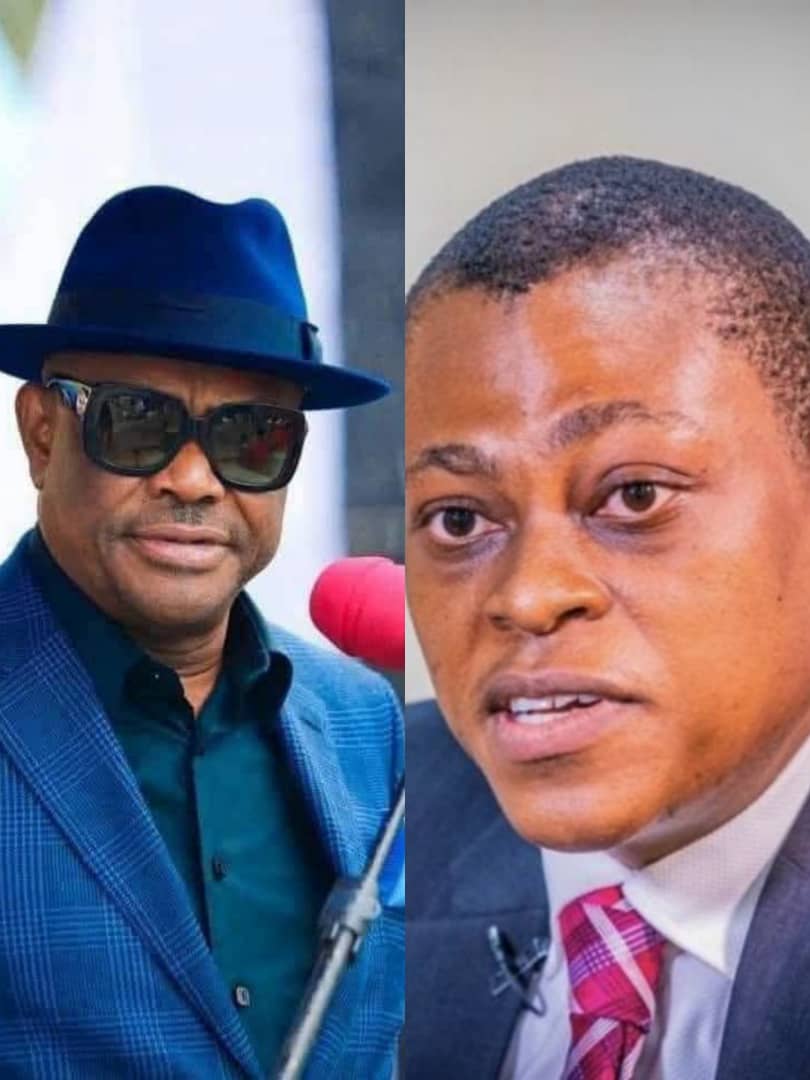
Political commentator and Arise TV presenter Rufai Oseni has stirred fresh debate in Nigeria’s political space following his criticism of the Minister of the Federal Capital Territory (FCT), Nyesom Wike, over his political activities and public claims of influence.
Oseni’s remarks have drawn attention to the growing conversation surrounding political power, strategic alliances and the role of influential politicians as the country gradually moves towards the 2027 general elections.
The journalist’s criticism centres on what he describes as a pattern in which political actions are allegedly carried out behind the scenes before being presented publicly as demonstrations of political strength and influence.
His comments have reignited discussions about the relationship between political manoeuvring, public declarations and the credibility of Nigeria’s democratic process.
Wike remains one of the prominent figures in Nigeria’s political landscape, having served as governor of Rivers State before his appointment as FCT minister under President Bola Tinubu’s administration.
Over the years, he has maintained a strong presence in national political discussions, particularly because of his political networks, his relationship with the PDP and his open support for Tinubu.
His political position has generated debate among party members, analysts and supporters, especially as politicians begin considering their strategies ahead of the next general election.
Oseni’s comments have added another dimension to the discussion, raising questions about how political influence is exercised and how politicians communicate their achievements to the public.
With the 2027 elections approaching, political parties and influential figures are expected to intensify consultations, negotiations and efforts to consolidate their support bases.
Wike’s continued political relevance and his support for Tinubu have placed him at the centre of discussions about cross-party relationships and the shifting dynamics of Nigerian politics.
His position has also generated questions about party loyalty, political calculations and the extent to which individual politicians can influence electoral contests.
Oseni’s criticism highlights the importance of examining public political claims alongside verifiable actions and the broader circumstances surrounding them.
Rivers State continues to occupy an important position in Nigeria’s political calculations because of its strategic significance and history of intense political competition.
Wike’s political activities in the state have frequently attracted national attention, particularly amid disagreements involving rival political interests and questions about the future direction of the PDP.
As political alignments continue to evolve, developments in Rivers State are expected to remain relevant to wider discussions about party organisation, political influence and the 2027 elections.
Oseni’s remarks have consequently renewed attention on the role played by prominent political figures in shaping public debate and influencing political conversations.
Beyond the disagreement surrounding Wike, the controversy raises a broader question about the relationship between political influence and the will of the electorate.
Although experienced politicians can play significant roles in campaigns, negotiations and party organisation, the credibility of an election ultimately depends on transparent procedures and the lawful expression of voters’ choices.
As Nigerians prepare for another general election cycle, citizens, political parties and civil society organisations will be watching how political actors conduct themselves and how electoral institutions uphold the integrity of the process.
Oseni’s criticism has added to the debate over accountability, transparency and the responsibilities of politicians in a democratic society.
Nigerians Turn Attention to the Road to 2027
The road to the 2027 general elections is expected to bring more political arguments, shifting alliances and public exchanges among influential figures.
For now, Oseni’s comments have placed Wike’s political approach back in the spotlight, highlighting the growing scrutiny surrounding the activities and public statements of Nigeria’s political leaders.
As the election season approaches, the key issues will include the credibility of electoral institutions, the conduct of political campaigns and the ability of voters to make their choices freely.
Ultimately, the debate goes beyond the personalities involved. It touches on a fundamental principle of democracy: political influence may shape campaigns, but election outcomes must be determined through a credible electoral process that respects the will of the people.
