By our reporter
The Dangote Group, widely regarded as one of Africa’s most powerful industrial empires, is now under intense scrutiny following allegations of widespread worker exploitation across its facilities. The company has been described by critics as operating like “plantations of exploitation,” where the dignity of workers is allegedly crushed in favor of maximizing profit margins.
Accounts from former employees, labor rights advocates, and industry insiders reveal a troubling pattern of inhumane working conditions, minimal wages, excessive labor hours, and a corporate culture that allegedly suppresses employee voices. Many workers report feeling devalued, overworked, and silenced, with some likening their experiences to modern-day servitude within an industrial framework.
One former worker, speaking under the condition of anonymity due to fear of retaliation, described the environment as oppressive. He alleged that employees are treated as expendable tools, with little to no regard for their well-being. It’s not just hard work it’s dehumanizing. You are not allowed to complain, and if you do, you risk losing everything, he said.
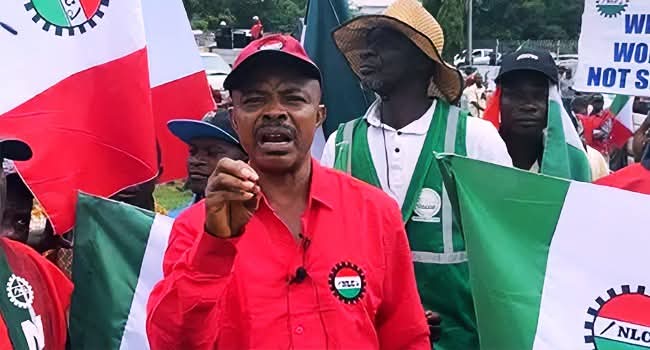
Labor unions and civil society groups have also raised concerns over what they describe as the company’s systematic resistance to unionization efforts. There have been accusations of intimidation, unlawful dismissals, and surveillance of workers who attempt to advocate for better conditions. These practices, they argue, are part of a broader pattern of anti-labor policies embedded within the company’s operations.
Despite its high-profile expansion projects including the recently launched Dangote Refinery—the company has faced growing criticism for allegedly prioritizing rapid growth over ethical labor practices. While the refinery is hailed as a landmark for Nigeria’s industrial development, some argue that the labor conditions behind its construction and operation deserve far greater public and governmental scrutiny.
Attempts to reach the Dangote Group for a response have so far been unsuccessful. The company has yet to issue a public statement addressing the growing number of allegations.
Labor rights organizations are now calling for independent investigations into the company’s employment practices. They are urging the Nigerian government, corporate regulators, and international investors to assess whether the company’s internal policies align with both national labor laws and international human rights standards.
As these allegations continue to gain traction, the Dangote Group may soon find itself at the center of a much larger conversation about corporate accountability, ethical business practices, and the human cost of industrial success in Africa.
