By our reporter
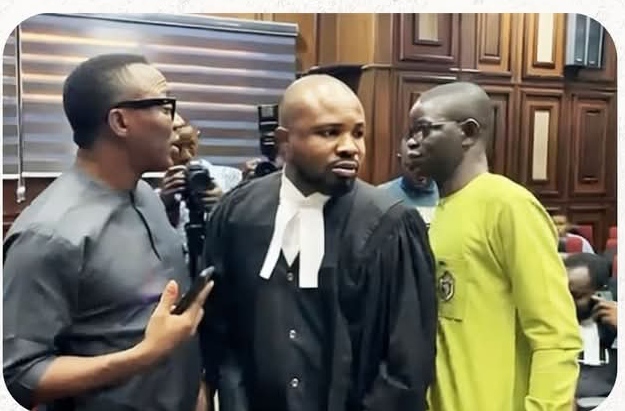
Abuja, Nigeria – Omoyele Sowore, publisher of Sahara Reporters and a former presidential candidate, has voiced concerns over what he describes as questionable interactions between lawyers representing Facebook and Nigeria’s Department of State Services (DSS). The remarks come in the wake of a stalled court arraignment involving criminal charges brought against him over social media posts critical of President Bola Tinubu.
The Federal High Court in Abuja was expected to begin proceedings against Sowore following a five-count charge filed by the DSS, which includes allegations of cyberstalking, defamation, and incitement. The case, which centers on comments Sowore made in August 2025 calling President Tinubu “a criminal,” has now been adjourned, with a new date set for late October.
According to Sowore, the delay is not a simple procedural issue. He claims there is a coordinated effort to obstruct the process, suggesting that Facebook’s legal representatives in Nigeria are cooperating with state agents to suppress dissent and prolong the legal battle unnecessarily.
The court session was delayed due to challenges surrounding the proper service of court documents to the involved parties, including Meta (Facebook’s parent company) and X (formerly Twitter). While Facebook had legal representation in court, X did not appear, contributing to the decision to push the case forward to October 27.
Sowore’s legal team insists the charges amount to a misuse of state resources in what should be a civil matter. They argue that the accusations are politically motivated, pointing to Sowore’s longstanding role as a government critic and journalist. He has previously faced similar legal challenges and maintains that his comments are protected under the constitutional right to free expression.
The inclusion of Facebook and X as co-defendants in the case has raised eyebrows, especially among digital rights groups. Critics say involving social media platforms in criminal proceedings over user content could set a troubling precedent, potentially leading to broader censorship and pressure on tech companies operating in Nigeria.
Neither Meta nor X has publicly responded to the allegations or the case itself. However, their roles in the ongoing legal process are expected to be closely watched in the coming weeks.
With the next court date approaching, the case continues to stir debate around free speech, online accountability, and the intersection of politics and digital media in Nigeria’s legal system.
