By our reporter
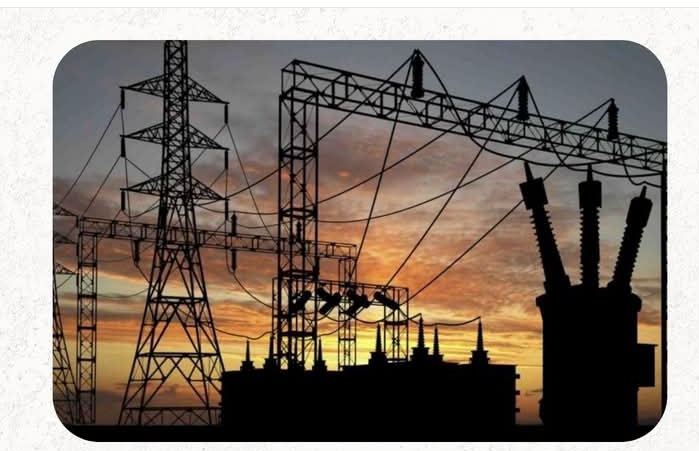
Nigeria has been plunged into darkness once more following the latest collapse of the national electricity grid. This marks another episode in a long series of grid failures that have continued to undermine power supply across the country.
The latest incident, which occurred on November 5, 2024, is reported to be the ninth collapse of the national grid in that year alone. It led to widespread blackouts across major cities, including Abuja, Lagos, Port Harcourt, Kano, and others. The blackout severely disrupted homes, businesses, and public services, heightening frustration among millions of Nigerians who continue to grapple with unreliable electricity.
According to the Transmission Company of Nigeria (TCN), the grid collapse was caused by the tripping of multiple transmission lines and generating stations, which triggered a system-wide failure. Some power was gradually restored to parts of the country within a few hours, but many areas remained without electricity for extended periods.
These recurring collapses have become a persistent issue for Nigeria’s power sector. Since the beginning of 2024, the country has experienced multiple full or partial grid shutdowns, with some occurring within days of each other. In one instance, the grid collapsed twice in 24 hours. The failures have brought national attention to the fragile state of Nigeria’s power infrastructure and the urgent need for reform.
Experts have pointed to several underlying causes, including aging infrastructure, poor maintenance, and inadequate investment in the power sector. Much of the country’s transmission network was built over four decades ago and has not kept pace with population growth or rising electricity demand.
Security concerns also contribute to the instability of the grid. Attacks on power installations and vandalism of infrastructure have been reported in several regions, further weakening the system. In addition, frequent disruptions in gas supply to thermal power stations limit electricity generation capacity, forcing plants to operate well below their potential.
Despite Nigeria’s theoretical capacity to generate up to 13,000 megawatts of electricity, less than 4,000 megawatts are typically available for distribution at any given time. This shortfall affects every sector of the economy, from manufacturing to education, healthcare, and small businesses that rely on steady electricity to function.
The economic consequences are significant. The World Bank estimates that Nigeria loses as much as $29 billion annually due to unreliable power supply. For many citizens, the alternative—relying on generators and fuel—remains costly and unsustainable.
In response to the chronic failures, the federal government has introduced reforms allowing state governments and private investors to build and operate independent power generation and distribution systems. Several states have already begun developing mini-grid and solar energy solutions aimed at reducing their reliance on the national grid.
However, these initiatives are still in their early stages and are yet to provide a reliable alternative for most Nigerians. Without urgent and sustained investment in infrastructure, maintenance, and regulation, analysts warn that grid collapses may remain a recurring feature of Nigeria’s energy landscape.
The latest blackout has renewed calls from citizens, businesses, and stakeholders for a comprehensive overhaul of the national grid system. Until lasting solutions are implemented, millions of Nigerians may continue to live with the uncertainty of sudden blackouts in a country still struggling to harness its full energy potential.
