By Our Correspondent
The federal government has officially announced a three-day public holiday across Pakistan from May 26 to May 28 (Tuesday to Thursday) on the occasion of Eidul Azha, bringing nationwide shutdowns of public and private activity during the festive period.
According to a notification issued by the Cabinet Division, Prime Minister Shehbaz Sharif approved the holidays in continuation of the government’s earlier annual holiday schedule for 2026. The directive confirms that all government offices, educational institutions, and businesses observing public holidays will remain closed throughout the notified period.
The decision aligns with the confirmed Eidul Azha date of May 27, following the sighting of the Zilhajj moon. The Central Ruet-e-Hilal Committee announced that the Zilhajj moon was sighted in multiple regions including Karachi, Sindh, Mardan, Rawalpindi, and Peshawar, marking May 18 as the first day of Zilhajj 1447 AH.
Earlier, the Space and Upper Atmosphere Research Commission (SUPARCO) had also forecast that Eidul Azha would likely fall on May 27, a prediction that has now been validated by the official lunar announcement.
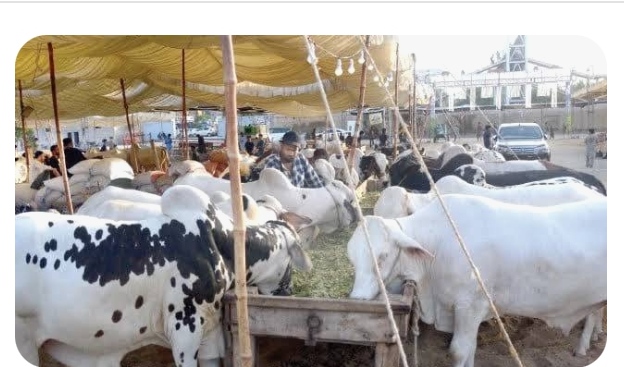
As preparations intensify nationwide, cattle markets across major cities are witnessing heavy activity despite rising inflation. Prices of sacrificial animals have surged sharply compared to last year, with goats in urban markets reportedly selling between Rs180,000 and Rs220,000—placing additional pressure on middle-income households.
Economic analysts note that rising fuel costs, transportation expenses, and fodder prices have significantly increased livestock market rates. Traders argue that higher operational costs have forced them to adjust prices, while consumers continue to struggle with affordability amid ongoing inflationary pressures.
Despite financial strain, Eidul Azha remains a major driver of seasonal economic activity, supporting thousands of workers in livestock trade, transport, fodder supply, and temporary market operations.
As the festive period approaches, authorities expect nationwide travel, shopping, and religious observances to peak in the days leading up to Eid, with markets likely to remain active until the final day before the holidays begin.
