By Our Correspondent
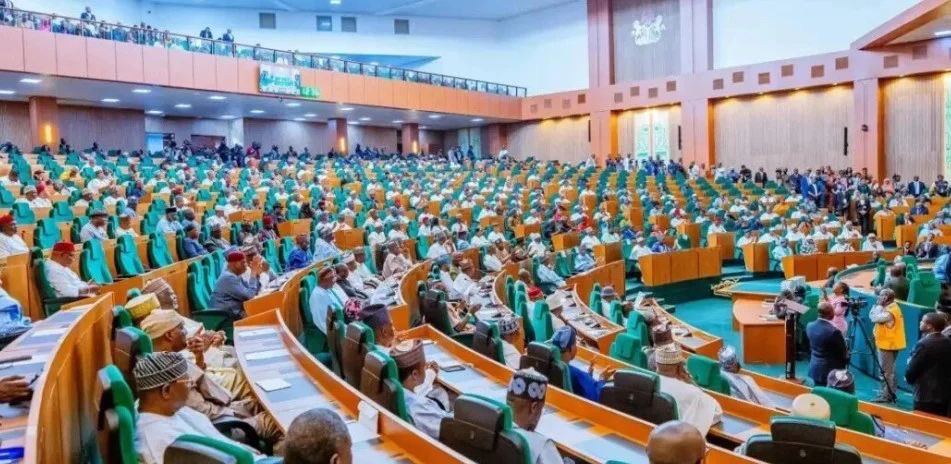
In a significant development that could reshape Nigeria’s security architecture, the House of Representatives has withdrawn its own State Police Bill and resolved to consider President Bola Ahmed Tinubu’s proposed constitutional amendment seeking the establishment of state police across the country.
The decision marks a major shift in the legislative process, as lawmakers move to harmonise efforts with the President’s proposal instead of pursuing separate bills on the same subject. The move is expected to streamline deliberations and create a unified legal framework for one of Nigeria’s most anticipated security reforms.
President Tinubu’s proposal seeks to amend relevant provisions of the Constitution to provide legal backing for states to establish and operate their own police services alongside the Nigeria Police Force. The administration believes that decentralising policing will improve intelligence gathering, enhance rapid response to security threats, and strengthen community policing.
For years, the debate over state police has remained one of the most contentious constitutional issues in Nigeria. While supporters argue that governors and local authorities are better positioned to tackle insecurity within their states, critics have consistently raised concerns about the possibility of political interference and abuse of the system.
The House’s latest decision is being viewed as a demonstration of cooperation between the executive and legislative arms of government in addressing the country’s growing security challenges. Lawmakers are expected to thoroughly examine the President’s proposal, with particular attention to safeguards that will ensure professionalism, accountability, and respect for citizens’ rights.
If eventually passed by the National Assembly, the constitutional amendment will still require approval by the required number of State Houses of Assembly before it can become part of the Constitution, in line with Nigeria’s constitutional amendment process.
Security experts have long maintained that a more decentralised policing system could improve response times, strengthen local intelligence networks, and enable law enforcement agencies to better understand the unique security challenges facing different parts of the country. However, they have also stressed the need for strong oversight mechanisms to prevent misuse of state police by political office holders.
The consideration of President Tinubu’s proposal comes at a time when Nigeria continues to grapple with insecurity in several regions, including banditry, kidnapping, terrorism, communal clashes, and other violent crimes. Many stakeholders believe comprehensive security reforms are essential to addressing these persistent challenges.
As deliberations continue, Nigerians will be watching closely to see how lawmakers balance the demand for improved security with the need to protect democratic institutions, uphold the rule of law, and ensure that any new policing structure operates transparently and professionally.
Further details are expected as the House begins formal consideration of the President’s constitutional amendment proposal.
