By Iyke-Jacobs Nwosu
The process of preparing the Environmental Impact Assessment (EIA) for the African Development Bank (AfDB)-funded Special Agro-Industrial Processing Zone (SAPZ) in Imo State has commenced with a stakeholders’ engagement forum held in Owerri.
The project, implemented by the Federal Ministry of Agriculture and Food Security in collaboration with the Federal Ministry of Environment, is one of the flagship agricultural initiatives aimed at boosting food production, reducing poverty and creating employment opportunities across Nigeria.
Imo is among the seven pilot states selected for the first phase of the programme, alongside Cross River, Kwara, Ogun, Oyo and Kano states, as well as the Federal Capital Territory.
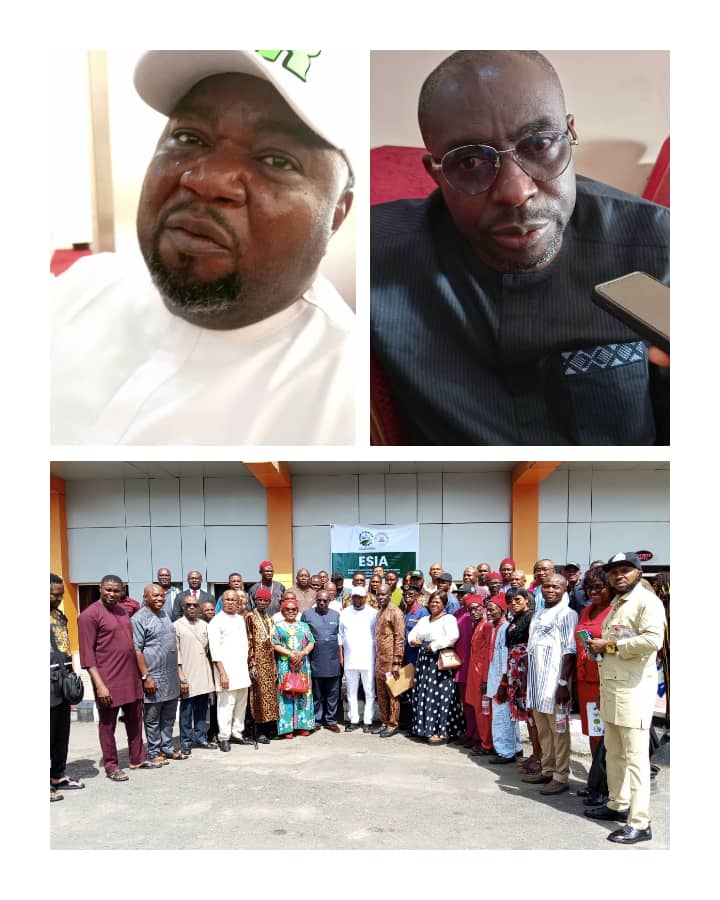
Speaking with journalists after the one-day stakeholders’ engagement, the Environmental Impact Assessment consultant, Mr. Basil Uzodinma, said the exercise was a mandatory requirement before the project could access funding from the African Development Bank.
He explained that the assessment would identify potential environmental and social risks associated with the project while recommending measures to mitigate them.
According to him, the Federal Ministry of Agriculture and Food Security requires every participating state to complete an acceptable Environmental Impact Assessment, which must be approved by the Federal Ministry of Environment and cleared by the Environmental and Social Management Framework (ESMF) of the African Development Bank before project funding can commence.
Also speaking, Hon. Chief Gideon Mefor, PhD, a community leader from Oloshi in Ohaji/Egbema Local Government Area and the Managing Director of Adapalm Nigeria Ltd, expressed appreciation to Governor Hope Uzodimma for ensuring that Imo emerged as one of the pilot states for the programme.
Mefor described the stakeholders’ engagement as timely, noting that it provided an avenue for members of the Oloshi community to examine the likely environmental and socio-economic impacts of the project and contribute to its successful implementation.
He said the Special Agro-Industrial Processing Zone would unlock the economic potential of the area by stimulating agricultural production, encouraging the establishment of cottage industries, creating markets for local farm produce and generating employment opportunities for residents.
The community leader added that the Environmental Impact Assessment had also identified possible challenges and outlined measures for addressing them, thereby enhancing the project’s sustainability.
Mefor commended Governor Uzodimma for what he described as his commitment to repositioning the state’s economy through strategic investments and assured that the Oloshi community would give the project its full support to ensure its success.
