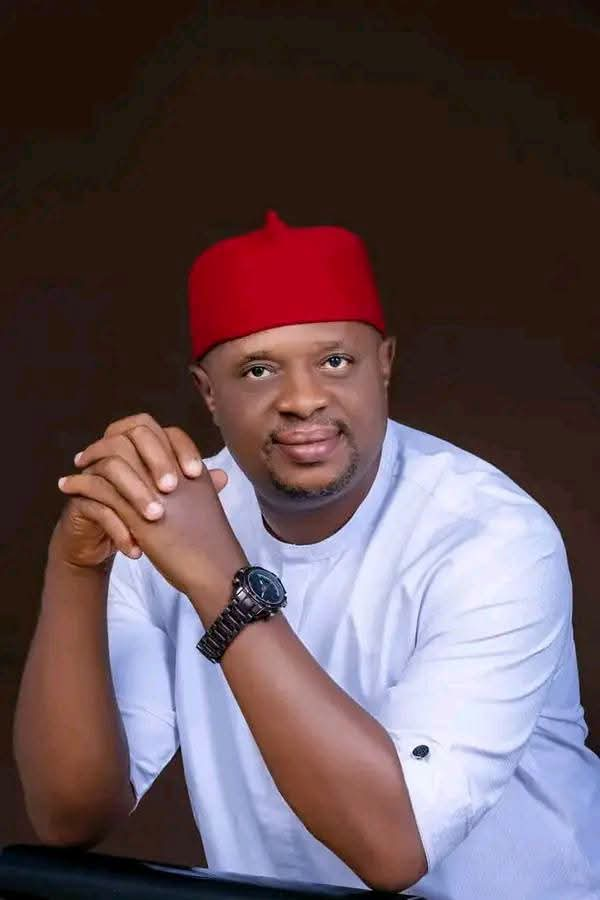
…As Dr. Emeka Obi Denies Allegations Linking Him to Disappearance of Two Indigenes
By Douglas Princemola
The debate over political fairness, equity and power-sharing in Onuimo Local Government Area of Imo State has gained fresh momentum following renewed calls for strict adherence to the existing zoning arrangement among the four constituent clans.
A prominent political figure in the area, Chief John Enyiogasi, popularly known as OK 2000, has called on political leaders and stakeholders to respect and sustain the established Charter of Equity to guarantee fairness, justice and inclusiveness.
In a video currently circulating on social media, Enyiogasi stressed that the zoning arrangement among Otanchara (Okwelle and Umuduru) and Otanzu (Okwe and Umuna) should be respected and maintained.
He noted that the arrangement had over the years served as a framework for promoting peaceful coexistence, political balance and development in Onuimo.
According to him, sustaining the zoning principle would strengthen unity and give every constituent community a sense of belonging in the political administration of the local government.
The call comes amid growing concerns over the distribution of political appointments and public offices between the two major blocs.
Findings by a team of journalists who visited the area indicated that some residents were dissatisfied with what they described as an imbalance in the sharing of political positions.
They observed that Otanchara currently occupies several prominent positions, including the House of Assembly and House of Representatives seats, Commissioner for Environment, APC Local Government Chairman, three Senior Special Advisers to the Governor and other strategic positions.
Other positions attributed to the bloc include Coordinator, Shared Prosperity, Onuimo; Chairman, Ndi Eze, Onuimo; and President-General of the Presidents-General of Onuimo.
In contrast, Otanzu was reported to occupy only the position of Chairman of the Imo State House of Assembly Commission among the offices listed.
The disparity has reportedly raised questions among residents about the practical application of the Charter of Equity and whether the existing political arrangement adequately reflects the interests of both blocs.
Consequently, concerned stakeholders are calling for renewed dialogue, fairness and a balanced approach to political appointments and leadership opportunities.
They insist that the spirit of the zoning arrangement should not be compromised, but rather strengthened for the collective interest of Onuimo.
Meanwhile, the immediate past Executive Chairman of Onuimo LGA, Dr. Emeka Obi, has denied allegations linking him to the reported disappearance of two indigenes of the area.
The individuals are Odungo Iloanya, Youth President of Umuduruegbeaguru, and Chukwudi Alaegbu, former Chief Security Officer of Onuimo Council.
While media reports alleged that Alaegbu was kidnapped by unidentified hoodlums, Iloanya was reportedly said to have been missing for nearly two weeks.
Reacting to the allegations during a conversation with journalists in Owerri on Wednesday, Obi dismissed any suggestion of his involvement.
He described himself as a peace-loving, law-abiding and patriotic indigene who had always maintained cordial relationships with the people.
The former chairman maintained that his administration prioritised peace, security, development and inclusive governance during his tenure.
He said his leadership philosophy aligned with the 3R agenda of Governor Hope Uzodimma.
Obi, who disclosed that he belongs to a vigilante group legally established by the Imo State Government, alleged that certain individuals had been instigating crises and sponsoring violence in the area since he left office.
He further alleged that some political opponents were attempting to damage his reputation through what he described as false and unfounded allegations.
He urged the people of Onuimo to remain calm and allow security agencies, including the DSS and the Nigeria Police, to investigate the reported incidents and establish the facts.
Obi also expressed his continued commitment to peace, fairness, sincerity and the development of Onuimo.
As the debate over political representation and security continues, the central issues confronting Onuimo remain the need for mutual trust, equitable power-sharing, accountability and peaceful coexistence.
For many residents, preserving the Charter of Equity is not merely about occupying political offices; it is about ensuring that every clan has a voice, a fair opportunity and a genuine sense of belonging in the affairs of Onuimo.
