By Douglas Princemola, 08035411201
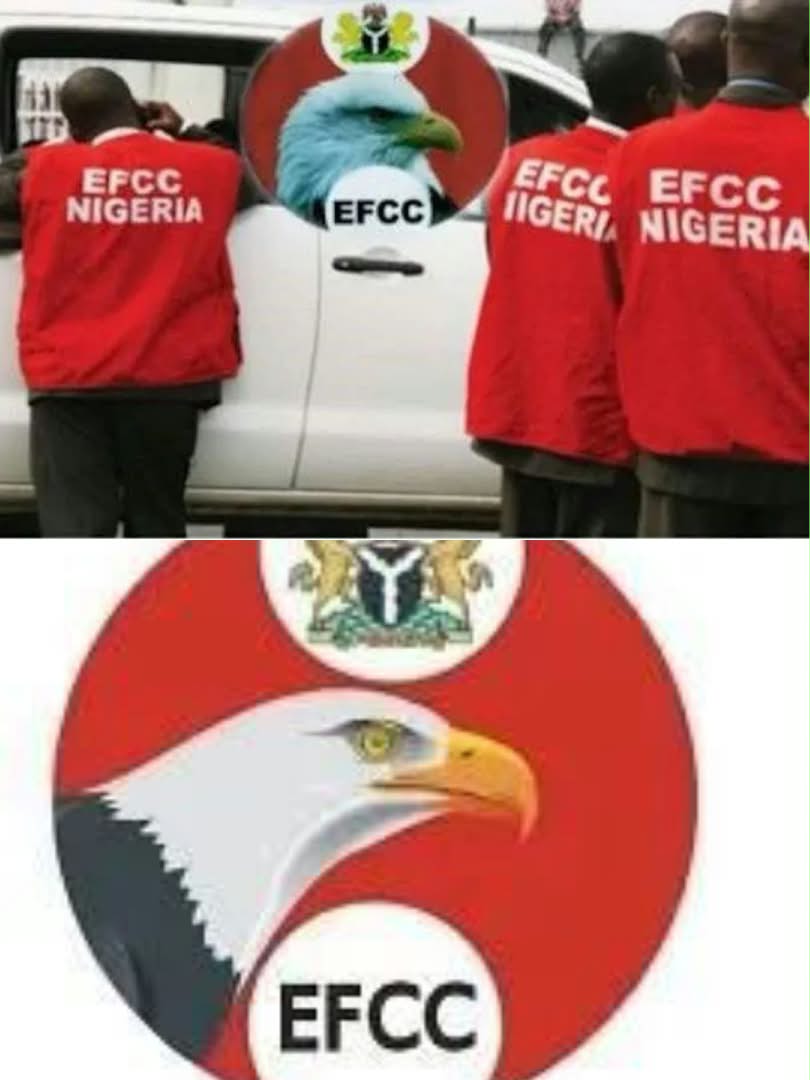
The Economic and Financial Crimes Commission (EFCC) has reportedly commenced an investigation into the spending of local government allocations by former and serving local government chairmen across Nigeria, in a move aimed at strengthening financial accountability and transparency at the grassroots.
The investigation is expected to examine how local government funds were received, managed and spent over the past two years, particularly following the implementation of financial autonomy for local governments.
The anti-graft agency is reportedly interested in determining whether allocations released to the councils were properly utilised for the benefit of residents or diverted for purposes unrelated to grassroots development.
Under the proposed scrutiny, former local government chairmen may be required to provide detailed explanations and financial records showing how public funds were expended during their respective tenures.
The EFCC is expected to examine financial transactions, contract awards, project execution, payments to contractors, procurement processes and other expenditures carried out by the councils within the period under investigation.
Particular attention may also be given to abandoned projects, inflated contract costs, questionable withdrawals and projects reportedly completed on paper but not reflected in communities.
The investigation is significant because local governments are constitutionally positioned to provide essential services and bring development closer to the people. Such responsibilities include rural road construction, primary healthcare support, sanitation, market development, drainage systems and other community-based projects.
However, concerns have continued to emerge over the management of local government resources, with residents in several communities demanding to know how substantial allocations received by their councils have translated into tangible development.
The EFCC’s reported move is therefore expected to generate considerable interest among Nigerians, particularly residents who want to see accountability from those entrusted with managing public resources.
Former council chairmen who managed public funds during the period under review could be asked to explain the financial decisions taken under their administrations and provide supporting documents where necessary.
It is important to note that an investigation does not automatically establish wrongdoing. Any individual found to have questions to answer must be given the opportunity to respond, while allegations of financial misconduct must be established through due process.
Nevertheless, the development sends an important message about the need for transparency in public office. Holding public funds in trust comes with the responsibility to account for every kobo spent.
Nigerians will be watching closely to see whether the investigation will lead to the recovery of misappropriated funds, prosecution where evidence supports it, and improved financial management across local government administrations.
If local governments have received substantial allocations over the past two years, where are the projects, infrastructure and visible development to show for the money?
The people deserve answers. Public funds must serve the public, and every local government chairman, past or present, should be prepared to account for the resources entrusted to their administration.
Accountability must not stop at the state or federal level. It must reach every local government in Nigeria.
