By Our Correspondent
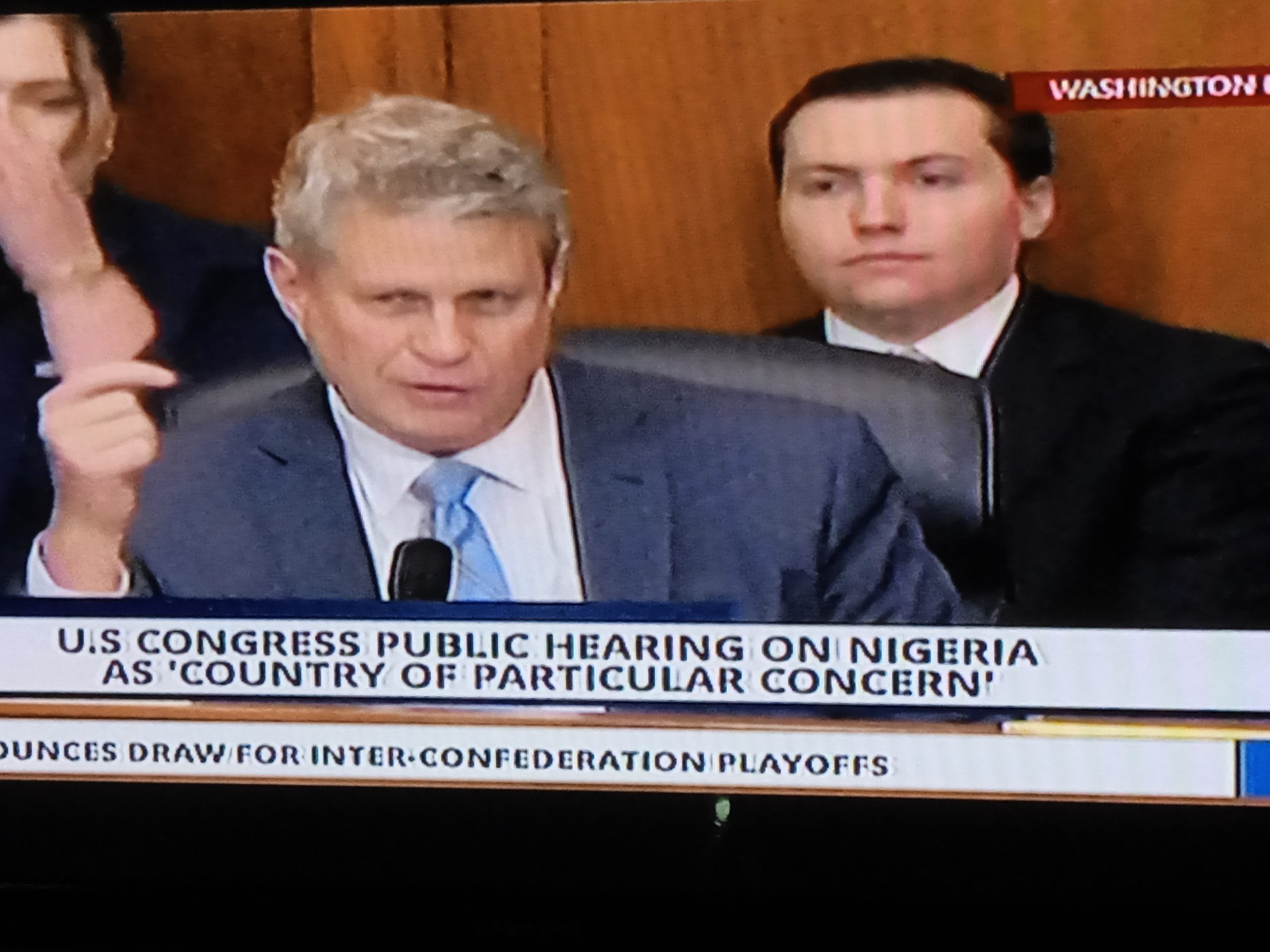
The US Congress recently held a public hearing to examine the state of religious freedom in Nigeria and consider whether the country should be designated a Country of Particular Concern under the International Religious Freedom Act. The hearing brought together lawmakers, human rights experts, and advocates to discuss growing violence and legal restrictions affecting religious communities in Nigeria.
Nigeria has experienced increasing security challenges, particularly in its northern and central regions. Non-state actors including militant herders and terrorist groups like Boko Haram and the Islamic States West Africa Province have carried out attacks targeting both Christians and Muslims. Witnesses at the hearing emphasized that the Nigerian government has struggled to hold perpetrators accountable, resulting in widespread impunity and insecurity for religious communities.
Religious leaders reported that attacks on churches, mosques, and community members have become more frequent and severe. In addition, blasphemy laws enforced in twelve northern states were highlighted as a major concern. These laws carry harsh penalties and disproportionately affect minority religious groups, making it difficult for communities to practice their faith freely.
Several US based experts and advocates testified in favor of designating Nigeria as a Country of Particular Concern, a status reserved for nations engaging in systematic, ongoing, and serious violations of religious freedom. Witnesses included representatives from the Hudson Institute, the US Commission on International Religious Freedom, and other think tanks. Experts argued that a CPC designation would not only recognize the severity of the abuses but also provide the US government with tools to encourage the Nigerian authorities to protect religious minorities and enforce laws fairly. They said designation could lead to targeted diplomatic measures, sanctions, or adjustments in foreign aid to help address violations.
The US Commission on International Religious Freedom has long raised concerns about religious freedom in Nigeria. Its 2025 report pointed to the persistence of blasphemy laws, the failure to respond to non-state violence, and the role of weak governance in perpetuating persecution. The commission said that designating Nigeria as a CPC would allow the US to more effectively encourage reforms and protect vulnerable communities.
A CPC designation carries practical consequences. It allows the US president to apply targeted sanctions, adjust foreign assistance, and take other diplomatic actions to address violations. Lawmakers said the designation would be more than symbolic, signaling to the Nigerian government that impunity for attacks on religious minorities is unacceptable.
The House Foreign Affairs Committee plans to hold additional hearings to examine Nigerias human rights situation. Potential actions include resolutions urging CPC designation and the appointment of a US Special Envoy to Nigeria and the Lake Chad region. Civil society organizations in Nigeria have welcomed these discussions, viewing them as a positive step toward ensuring accountability and protecting religious freedom.
