By Our Correspondent
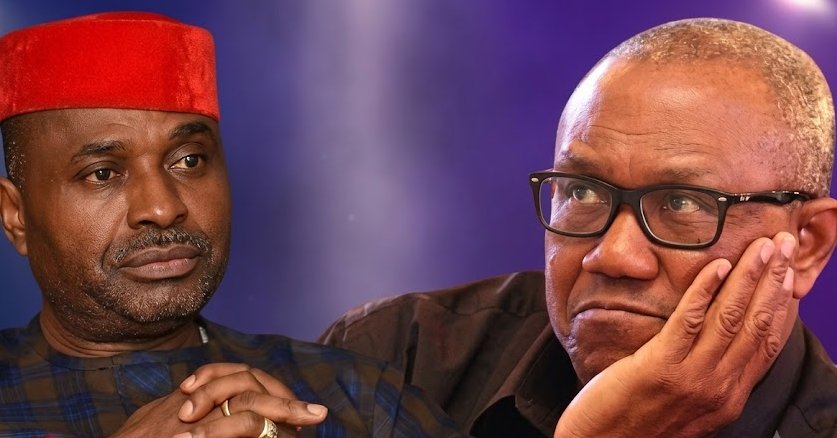
Prominent politician and legal practitioner, Kenneth Okonkwo, has expressed concern over the political consequences of Peter Obi’s departure from the African Democratic Congress (ADC), saying the move significantly reduced the South-East’s influence within the party ahead of the 2027 general elections.
Speaking during an appearance on Channels Television’s Morning Brief, Okonkwo said Obi’s unexpected exit came at a critical stage of the party’s internal political process, leaving many supporters and stakeholders from the South-East uncertain about the region’s place in the party’s future plans.
According to him, Peter Obi was the most prominent figure representing the South-East’s presidential aspiration within the ADC, and his departure created a leadership gap that was difficult to fill before the party’s nomination process was concluded.
Okonkwo stated that the situation placed the South-East at a disadvantage, adding that the region was left without a strong contender to champion its interests during the party’s presidential calculations.
He also explained that the Electoral Act restricted the party from bringing in prominent politicians who were not already qualified members before the primary election, making it impossible to immediately replace Obi with another respected South-East political figure.
Clarifying his previous comments on the party’s presidential ticket, Okonkwo said his concerns were never directed at former Rivers State Governor Rotimi Amaechi. Rather, he maintained that his position was based on the need for fairness, equity, and greater political inclusion for the South-East, which, according to him, has yet to produce either a president or vice president since Nigeria returned to democratic rule in 1999.
Despite his reservations, Okonkwo said he accepted the party’s final decision after discussions with its leadership and expressed confidence that the ADC would remain united as it prepares for future political contests.
Peter Obi had earlier resigned from the ADC, citing internal challenges and what he described as an increasingly unhealthy political environment. While announcing his departure, Obi stressed that he had no personal conflict with the party’s leadership and wished the party success.
Okonkwo’s comments have renewed conversations about zoning, regional representation, and the South-East’s political future as political parties continue to position themselves for the 2027 elections.
