By Our Correspondent
Fresh tensions have erupted between the United States and Iran after both nations reportedly exchanged fire in the Gulf region, sparking fears that the fragile ceasefire holding the two sides together may be nearing collapse.
The latest confrontation unfolded around the strategic Strait of Hormuz, a vital global oil transit route, where missile strikes, drone activities, and naval operations reportedly intensified within hours. The incident has renewed concerns over the security of international shipping lanes and the stability of the Middle East.
U.S. military officials accused Iran of targeting naval assets and threatening commercial vessels navigating the Gulf waters. In response, Tehran denied the allegations and instead accused Washington of provoking tensions through increased military movements close to Iranian territory.
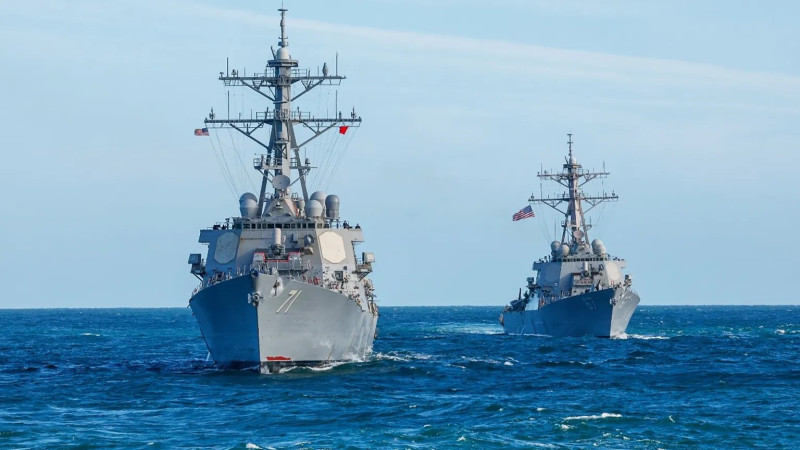
Reports indicate that American naval forces intercepted several drones and fast-moving attack boats during operations aimed at protecting maritime traffic in the region. Iranian authorities, however, insisted their actions were purely defensive and necessary to safeguard national interests.
Despite the renewed hostilities, diplomatic sources say the ceasefire agreement between both sides has not officially collapsed. However, growing mistrust and repeated military confrontations continue to place the truce under intense pressure.
The Strait of Hormuz remains one of the world’s most sensitive waterways, handling a large share of global oil exports daily. Any prolonged conflict in the area could trigger disruptions in global energy supply, rising fuel prices, and wider geopolitical instability.
International observers and mediators have continued to call for restraint while diplomatic talks remain ongoing behind the scenes. Analysts warn that without urgent de-escalation efforts, the latest clashes could spiral into a broader regional crisis with far-reaching global consequences.
