By Our Correspondent
The Lagos Waste Management Authority (LAWMA) has launched a comprehensive reform agenda aimed at eliminating waste backlogs across Lagos State, marking a significant step toward achieving a cleaner, healthier, and more sustainable environment for residents.
The initiative comes as part of the agency’s renewed commitment to improve waste collection, strengthen sanitation services, and modernize the state’s waste management system in response to the demands of its growing population.
Speaking on the reforms, LAWMA assured Lagos residents that new operational strategies are already being implemented to ensure faster evacuation of refuse from streets, markets, and residential communities. The authority emphasized that clearing long-standing waste blackspots remains a top priority, with sanitation teams working around the clock to restore cleanliness across the metropolis.
A major highlight of the reform package is the construction of modern Transfer Loading Stations at Olusosun and Solous III. These facilities are expected to divert about 4,000 tonnes of waste daily to recycling and treatment plants, reducing pressure on landfill sites while promoting environmentally friendly waste processing.
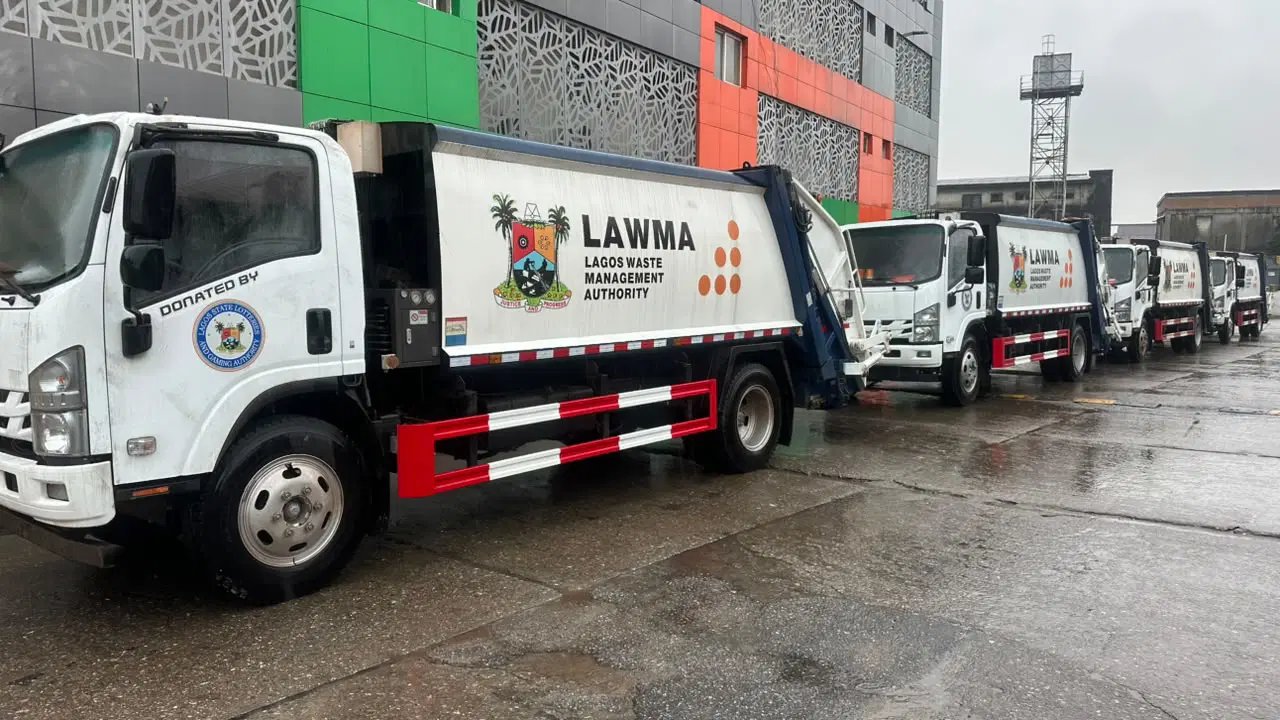
The agency is also investing in additional waste collection infrastructure, modern equipment, and improved operational systems to enhance efficiency. These upgrades are expected to strengthen the capacity of Private Sector Participants (PSPs), enabling them to provide more reliable and timely waste collection services across the state.
Beyond waste evacuation, LAWMA is expanding recycling and waste-to-resource initiatives as part of Lagos State’s broader vision for a circular economy. By converting waste into valuable resources, the authority aims to reduce environmental pollution, create economic opportunities, and encourage more sustainable waste management practices.
LAWMA noted that its disposal facilities processed more than 418,500 tonnes of waste within a recent month, demonstrating the scale of ongoing sanitation efforts. The agency also disclosed that dedicated teams continue to clear thousands of refuse blackspots across Lagos, helping to improve public health and enhance the overall appearance of communities.
Residents have been urged to support the reforms by disposing of waste responsibly, using only approved waste collection services, and paying their waste management bills promptly. LAWMA stressed that public cooperation remains essential to achieving lasting improvements in environmental cleanliness.
Environmental stakeholders have welcomed the reforms, describing them as a timely intervention that could transform waste management in Africa’s largest city. They noted that sustained investment, effective collaboration with PSP operators, and active community participation will be key to the long-term success of the initiative.
With these far-reaching reforms, LAWMA is reinforcing its commitment to building a cleaner, greener, and more resilient Lagos. If effectively implemented and supported by residents, the new measures are expected to significantly reduce waste accumulation, improve public sanitation, and set a new benchmark for urban environmental management in Nigeria.
