By Our Correspondent
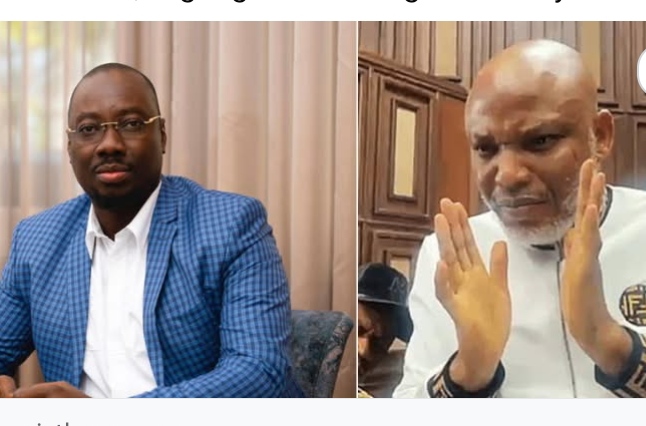
Obi Cubana, the well-known businessman and entertainment entrepreneur, has said that lasting peace and stability will remain out of reach in Igboland until the detained leader of the Indigenous People of Biafra, Nnamdi Kanu, is released. His comments add to the growing calls for a political resolution to Kanu’s continued imprisonment.
Cubana said the Southeast cannot fully heal or return to normalcy while Kanu remains behind bars. He explained that the emotional, cultural, and political weight of Kanu’s detention continues to affect the mood of the region.
He added that no Igbo man or woman will truly have peace until justice is seen to be done. He said Kanu’s freedom is central to rebuilding unity and trust in the area and described the issue as a shared concern for the entire Igbo population.
Cubana also revealed that he has participated in meetings with political leaders aimed at finding a workable solution. He said these discussions involved top figures, including the Deputy Speaker of the House of Representatives and Seyi Tinubu, son of the president.
According to Cubana, these talks addressed national security, the business environment, and the need for dialogue to reduce tensions in the Southeast. He said releasing Kanu through a political settlement would not only calm public anxiety but also help restore confidence in the regional economy.
He urged Igbo leaders, youths, and stakeholders to remain united and avoid division, warning that disunity would weaken efforts to secure justice. Cubana called on President Bola Ahmed Tinubu to listen to the concerns of the people and consider a political solution that promotes peace and national cohesion. He said freeing Kanu would send a message of reconciliation and help heal mistrust between the region and the federal government.
Cubana’s statement has added momentum to the ongoing debate in Nigeria. While many Southeast leaders and groups believe Kanu’s release is essential for peace, others argue that the region’s insecurity requires broader solutions. His comments underscore the urgency felt by many Igbo citizens and the influence of public figures in shaping national discussions.
