By Our Correspondent
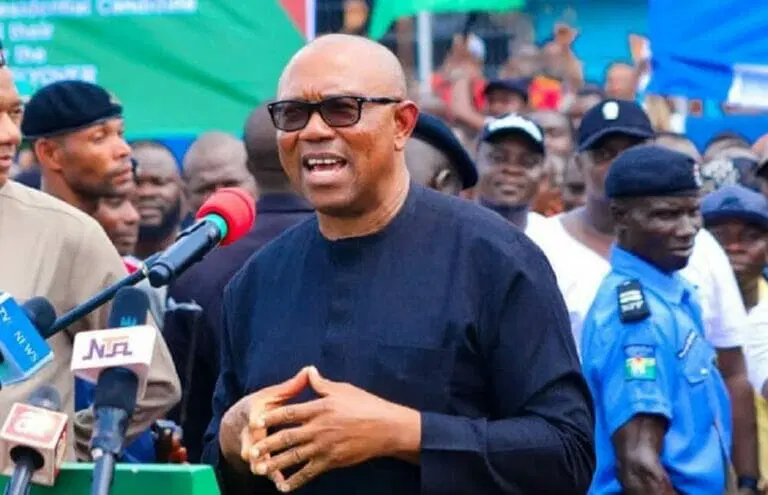
Former Anambra State Governor and Labour Party presidential candidate, Peter Obi, has dismissed reports suggesting that he advised members of the Nigerian military to reject any proposed salary increase.
Obi, in a clarification of his position, said he never opposed improved salaries or better welfare for members of the armed forces, stressing that his comments had been misunderstood.
The former presidential candidate said his position has always been centred on responsible management of public resources and ensuring that government spending delivers meaningful benefits to Nigerians.
He maintained that Nigerian soldiers deserve better pay and improved working conditions, particularly given the enormous risks they face while defending the country against terrorists, bandits and other security threats.
According to Obi, advocating prudent management of public funds should not be interpreted as opposing improved welfare for security personnel.
He said the military plays a critical role in protecting the territorial integrity of Nigeria and safeguarding the lives and property of citizens, making the welfare of its personnel an important national issue.
The controversy followed reactions to remarks attributed to Obi concerning the proposed increase in salaries and allowances for military personnel.
The former governor said the issue should instead be viewed from the perspective of how government can sustainably improve the welfare of soldiers while ensuring that public funds are properly accounted for.
He argued that Nigeria must strengthen its security institutions by providing personnel with adequate remuneration, modern equipment and the necessary support to perform their duties effectively.
Obi has consistently made accountability and prudent management of public resources central to his political message, insisting that government must eliminate waste and ensure that available resources are directed towards priority areas.
He said efficient management of the nation’s finances would create greater opportunities for government to improve the welfare of soldiers, police officers, teachers, healthcare workers and other public servants.
The former presidential candidate also stressed that members of the armed forces should not be left to bear the burden of the country’s security challenges without adequate support from government.
His clarification comes amid growing public interest in the welfare of Nigerian troops, particularly those serving in conflict-prone areas and conducting counter-insurgency operations.
Military personnel have continued to operate in difficult conditions in different parts of the country, confronting terrorism, banditry and other forms of violent crime.
Against this background, calls for improved salaries, allowances, equipment and other welfare packages for the armed forces have continued to dominate national discussions.
Obi’s latest statement is expected to settle speculation over his position on the matter, as he made it clear that his concerns were not about denying soldiers better pay.
Rather, he argued that any increase in remuneration should be accompanied by transparency, accountability and effective management of resources allocated to the defence and security sector.
The controversy also comes as Nigeria gradually moves towards another politically charged election cycle, with security, economic reforms, public spending and the welfare of citizens expected to feature prominently in political debates ahead of 2027.
For Obi, the message remains straightforward: supporting fiscal responsibility does not mean opposing better salaries for the military.
He maintained that Nigerian soldiers deserve to be adequately rewarded for their service and sacrifices, while government must equally ensure that every naira allocated to their welfare and national security is used efficiently.
“I never said the military should reject salary increase,” Obi said, reiterating that his position had been misrepresented.
The former governor’s clarification has now shifted attention back to the broader question of how Nigeria can adequately reward its security personnel while strengthening accountability and ensuring that the nation’s scarce resources are used in the best interest of citizens.
