:
By our reporter
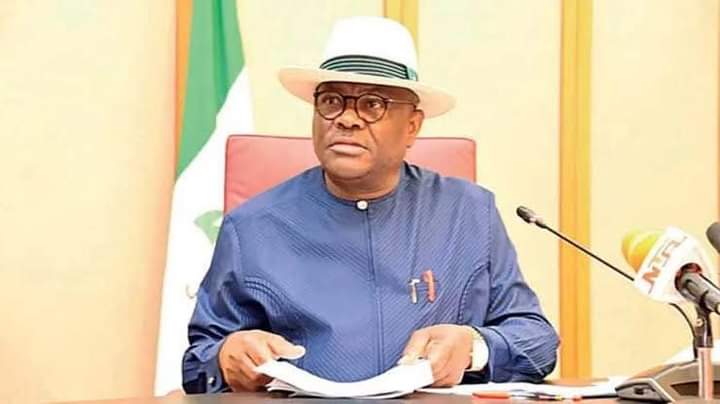
A resurfaced allegation has reignited controversy in Nigeria’s political landscape, as the Secretary of the Peoples Democratic Party (PDP) in Rivers State, Samuel Johnson Okpoko, claimed that former Governor Nyesom Wike instructed him to collect ₦700 million from Fidelity Bank ahead of the 2015 general elections.
According to Okpoko’s statement made to the Economic and Financial Crimes Commission (EFCC), the funds were collected in two tranches — ₦600 million on March 27, 2015, and ₦100 million on March 31, 2015. Both payments were allegedly made in cash at the Trans-Amadi branch of Fidelity Bank in Port Harcourt. Okpoko stated that he was acting on direct instructions from Wike, who was then the PDP’s governorship candidate for Rivers State.
The money, according to investigators, is believed to be part of a larger ₦23 billion distributed across the country for election purposes. The source of the funds was allegedly a $115 million cash deposit made by former Petroleum Minister Diezani Alison-Madueke. The EFCC had earlier traced this controversial fund to Fidelity Bank, where it was reportedly shared among various state PDP chapters to influence electoral outcomes in the 2015 polls.
At the time the allegation came to light, Wike was a sitting governor and thus constitutionally protected from prosecution under Section 308 of the 1999 Nigerian Constitution, which grants legal immunity to sitting governors. While this protection barred the EFCC from prosecuting him during his time in office, it did not stop the commission from investigating or compiling evidence for future legal action.
In response to the revelations, the opposition party, the All Progressives Congress (APC), had demanded accountability and transparency. Party officials publicly urged Wike to address the allegations, describing the claims as a troubling example of electoral malpractice and financial misconduct. However, representatives of the former governor dismissed the reports, labeling them as politically motivated attempts to smear his reputation.
Despite the weight of the allegation and the documentation collected by the EFCC, no formal charges have been brought against Wike. While several political figures across the country have faced prosecution over similar disbursements from the alleged Diezani fund, Wike has not been arraigned in court concerning this specific case. The EFCC maintains that investigations remain ongoing and that further action may be taken if sufficient evidence is gathered.
The case has once again drawn attention to the widespread problem of electoral corruption in Nigeria and the influence of illicit funds in shaping political outcomes. Anti-corruption advocates have renewed calls for the EFCC to pursue the matter to its conclusion, emphasizing that political immunity should not equate to impunity.
As Nigerians continue to demand transparency and reform within the political system, the handling of this case may serve as a litmus test for the country’s commitment to curbing electoral fraud and upholding justice, regardless of political affiliations or former office held.
