By our reporter
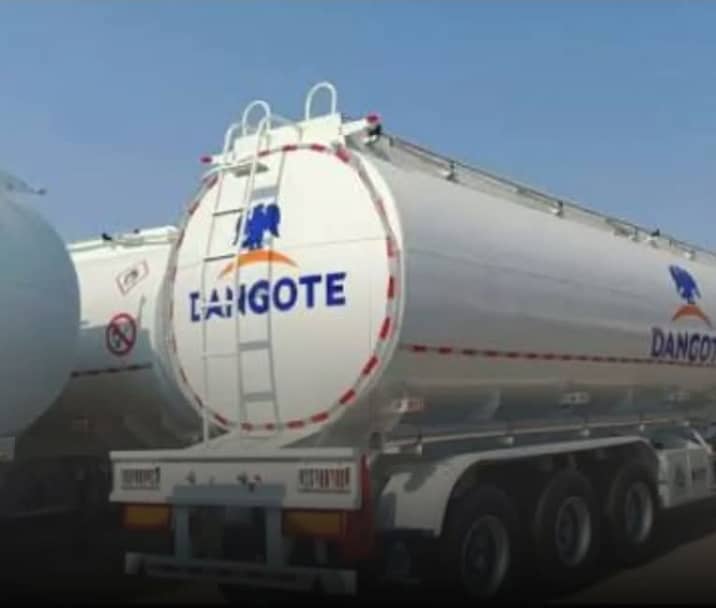
The Dangote Petroleum Refinery has accused the Nigerian Union of Petroleum and Natural Gas Workers (NUPENG) of collecting illegal levies from truck drivers loading petroleum products at its facility. The company claims that the union is charging ₦50,000 per truck, warning that such unauthorized fees could directly contribute to rising fuel prices across the country.
In a statement released over the weekend, Dangote management stated that these charges are not only unjustified but are also undermining national efforts to stabilize the price of fuel and improve transparency within the downstream sector. The company noted that in addition to the ₦50,000 allegedly collected by NUPENG, truck operators face other hidden fees, bringing the total additional cost per truck to between ₦80,000 and ₦84,000.
The company warned that these extra costs are eventually transferred to consumers at the pump, defeating the purpose of efforts aimed at reducing distribution expenses and ensuring affordable fuel prices for Nigerians.
Dangote Refinery, which has been hailed as a transformative project in Nigeria’s energy landscape, said it is committed to reducing the country’s reliance on imported fuel and to improving access to affordable petroleum products. However, it stressed that these gains are being threatened by illegal levies and extortion from unions and other interest groups.
The refinery urged government agencies and relevant regulators to step in and investigate the situation, warning that continued inaction would lead to further inflation of fuel prices and worsening hardship for Nigerian citizens.
At the time of filing this report, NUPENG had not issued an official response to the allegations. However, unofficial sources within the union suggested that the fees might be intended for administrative or welfare purposes. These claims, however, remain unverified and lack any official explanation or regulatory backing.
Industry observers have raised concerns about the broader implications of such levies, highlighting how similar practices across Nigeria’s fuel distribution network have long discouraged investment and burdened independent marketers and transporters. They argue that unless these issues are addressed systemically, the country’s downstream sector will continue to suffer inefficiencies and corruption.
Analysts also point out that the extra costs created by illegal tolls and union fees will ultimately be passed down to everyday Nigerians, potentially resulting in a fresh surge in pump prices despite local refining efforts.
The Dangote Group’s accusations have reignited public debate over the need for urgent reform in the country’s petroleum distribution chain and greater enforcement of rules to protect transporters and consumers alike.
