By our reporter
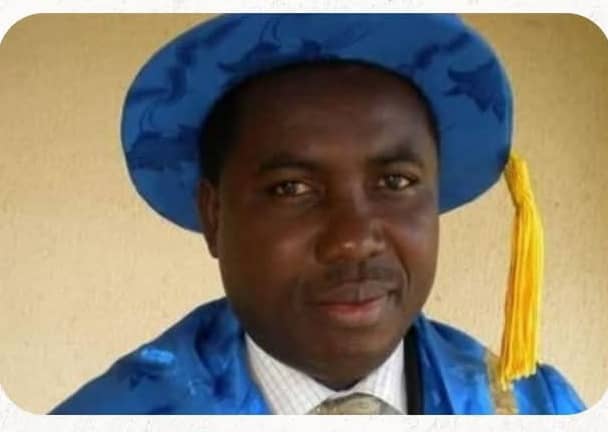
The Nigerian Senate has commenced the screening of Professor Joash Ojo Amupitan, nominated by President Bola Ahmed Tinubu to serve as the next Chairman of the Independent National Electoral Commission (INEC). This development signals the beginning of a new chapter in the leadership of Nigeria’s electoral body, following the end of the tenure of Professor Mahmood Yakubu earlier this month.
Professor Amupitan, a Senior Advocate of Nigeria and respected academic in constitutional law, has been nominated to head INEC at a time when calls for electoral integrity, technological reforms, and institutional independence are at an all-time high. His nomination, submitted to the Senate on Monday, October 14, 2025, comes as Nigeria prepares for critical off-cycle elections and continued electoral law reforms.
Amupitan is currently a professor at the University of Jos and has played key roles in national legal discourse over the years. While his credentials have received praise from various quarters, some stakeholders have expressed concern about his perceived closeness to political figures, urging the Senate to thoroughly vet his impartiality and vision for INEC.
In response to the nomination, civil society organisations have called for a transparent and rigorous screening process. Groups such as YIAGA Africa, The Kukah Centre, and the Centre for Democracy and Development have urged the Senate to make the process open to public scrutiny, including broadcasting the proceedings live. They argue that such openness would boost public confidence and show the government’s commitment to democratic values.
Today’s screening, taking place at the Senate Chamber in Abuja, is expected to focus on several key issues. These include Amupitan’s plans for deepening electoral transparency, his position on the use of digital technology in elections, his approach to voter engagement, and how he intends to protect INEC from political interference.
If confirmed, Professor Amupitan will oversee the commission during a critical period that includes the upcoming governorship elections in Edo and Ondo states. He will also be responsible for laying the groundwork for the 2027 general elections and steering ongoing reforms aimed at enhancing the credibility of Nigeria’s electoral process.
The outcome of the screening will be closely watched both locally and internationally, as stakeholders seek reassurance that the country’s electoral future will be managed by a competent and independent leadership.
