By Kelechi Ugo
Azaraegbelu Orphans/Widows Centre, based in Owerri North Local Government Area of Imo State, in collaboration with Empath Alliance, has trained over 170 grassroots activists and community health workers on leadership skills and sexual and reproductive health rights (SRHR) advocacy.
The training, which took place on Saturday, January 31, 2026, in Owerri, brought together participants drawn from various communities across the state. The programme focused on reproductive justice, access to accurate sexual and reproductive health information, and strengthening community-based advocacy and networking at local and regional levels.
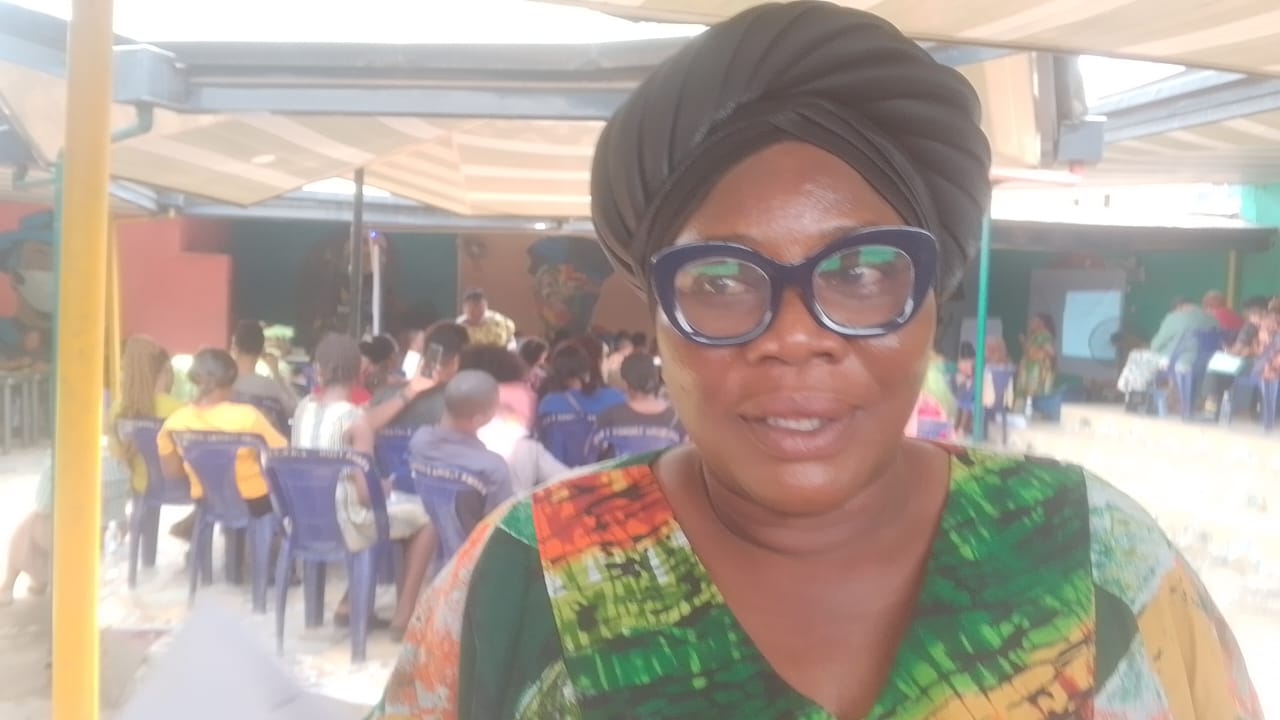
Speaking with journalists at the event, the Chief Executive Officer of Azaraegbelu Orphans/Widows Centre, Mrs. Chinyere Obilero, said the organisation has continued to mobilise communities through issue-based campaigns aimed at promoting safer reproductive health practices.
According to her, the organisation works closely with communities to encourage improved approaches to reproductive justice by providing accurate information and essential resources on sexual and reproductive health and rights. She added that particular emphasis is placed on supporting women and young people to make informed decisions about their bodies.
One of the resource persons at the training examined key leadership principles within feminist movements, including shared power, equality, transparency, equity, justice and fairness. The facilitator stressed the need for women to be given equal opportunities to contribute meaningfully to decision-making processes at all levels.
Another facilitator, Mrs. Clara Amadi, highlighted the importance of contraception and family planning, noting that access to reliable reproductive health information and medical abortion services remains critical. She explained that consistent and correct use of condoms helps prevent unintended pregnancies as well as sexually transmitted infections (STIs), including HIV.
Mrs. Amadi also noted that effective contraception helps reduce pressure on already overstretched health systems by preventing unplanned pregnancies and related complications.
Participants were further educated on menstruation and fertility. Facilitators explained that menstruation begins at puberty when ovulation starts—the process by which an egg is released from the ovaries. Pregnancy occurs when sperm fertilises the egg during sexual intercourse.
They explained that a woman is most fertile a few days before, during, and shortly after ovulation, although pregnancy can occur at any point in the menstrual cycle. Menstruation occurs when fertilization does not take place and the uterine lining is shed, usually about 14 days after ovulation.
According to the facilitators, the average menstrual cycle lasts 28 days, but may range from 23 to 35 days. Factors such as stress, strenuous physical activity and diet can affect the timing and regularity of menstruation.
The training ended with a call on participants to return to their communities and apply the knowledge gained to promote safe reproductive health practices and help reduce cases of unsafe abortion across Imo State.
