By Our Correspondent
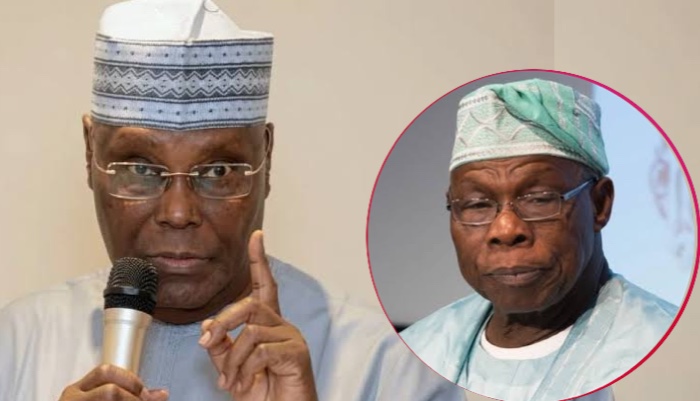
Former Vice President Atiku Abubakar has accused former President Olusegun Obasanjo of dragging the late former Speaker of the House of Representatives, Ghali Umar Na’Abba, into political discussions aimed at influencing the 2027 presidential election.
Atiku, through his media office, expressed disappointment over remarks credited to Obasanjo, arguing that the late Na’Abba’s name should not be used to advance political narratives or shape public opinion ahead of the next general election.
According to Atiku’s camp, Ghali Na’Abba was a respected statesman whose contributions to Nigeria’s democracy should be remembered with dignity and honour. The statement maintained that it was inappropriate to draw the late lawmaker into current political debates, especially as he is no longer alive to respond or clarify any claims made about him.
The former Vice President also urged political leaders to exercise restraint in their public comments, particularly when referring to deceased national figures. He said the memories of those who served the country should be preserved with respect rather than becoming subjects of political contest.
Atiku’s remarks followed comments attributed to Obasanjo concerning the late former Speaker and the political climate ahead of the 2027 presidential election. The exchange has drawn attention from political observers, with many viewing it as an early sign of growing political activity ahead of the next electoral cycle.
Ghali Na’Abba, who served as Speaker of the House of Representatives from 1999 to 2003, was widely known for his independent approach to legislative leadership and his commitment to the principle of separation of powers during Nigeria’s Fourth Republic.
As discussions surrounding the 2027 presidential election continue to gather momentum, political analysts believe exchanges between leading political figures are likely to become more frequent. Many, however, have called on public office holders and political leaders to focus on issue-based engagements while treating the legacies of departed statesmen with the respect they deserve.
